
Operations & Maintenance
Forklift Maintenance Schedule: Daily, Weekly, Monthly and Annual
Most forklift breakdowns are predictable. A four-tier schedule — daily, weekly, monthly, planned service — catches the faults before they become downtime.
7 min read · Last updated 7 August 2026
A working forklift maintenance schedule has four tiers: a daily pre-use check by the operator, a weekly housekeeping check by the supervisor, a monthly deeper inspection, and planned preventative maintenance by an engineer at set hour intervals — commonly every 250–500 operating hours, or two to four visits a year on typical single-shift use. On top of that sits the statutory Thorough Examination, which is a legal inspection and not a service.
The four tiers
| Tier | Who | Frequency | Covers |
|---|---|---|---|
| Pre-use check | Operator | Every shift | Tyres, forks, chains, leaks, brakes, horn, lights, seat switch |
| Weekly check | Supervisor / team lead | Weekly | Battery water and terminals, fluid levels, cleanliness, defect log review |
| Monthly inspection | Supervisor or engineer | Monthly | Chain stretch, fork wear measurement, hose condition, mast wear pads |
| Planned maintenance | Qualified engineer | 250–500 hours | Full service, adjustments, diagnostics, parts replacement |
| Thorough Examination | Competent examiner | 6 or 12 months | Statutory inspection of lifting components with written report |
What changes by power source
Electric
- ›Battery water levels, specific gravity and terminal condition on lead-acid.
- ›Charger and connector condition, cable chafing and plug wear.
- ›Controller diagnostics and fault-code history.
- ›Brake wear is lower thanks to regeneration — but still measured, not assumed.
Diesel and LPG
- ›Engine oil and filter, air filter, fuel filter at the specified hours.
- ›Coolant condition and radiator cleanliness — a blocked radiator is a common summer failure.
- ›Exhaust and after-treatment condition, LPG hose and regulator inspection.
- ›Belt tension and condition.
Designing the schedule around downtime, not the calendar
Service intervals should follow hour meter readings, not months. A truck running 60 hours a week needs attention far sooner than one running 10. Read the hour meter as part of the daily check, log it weekly, and plan the service before the interval, not after.
Group the dates
Put planned maintenance, Thorough Examination and operator refresher training on the same calendar. One combined visit costs less and one review catches all three expiries before an auditor does.
In-house or contract maintenance?
Below roughly three trucks, a service contract is almost always cheaper than carrying parts, tooling and skills in-house. A contract also converts a variable repair bill into a fixed monthly cost and, on AWE contracts, brings a priority breakdown response anywhere in Ireland with genuine parts carried on the van.
Equipment we'd recommend
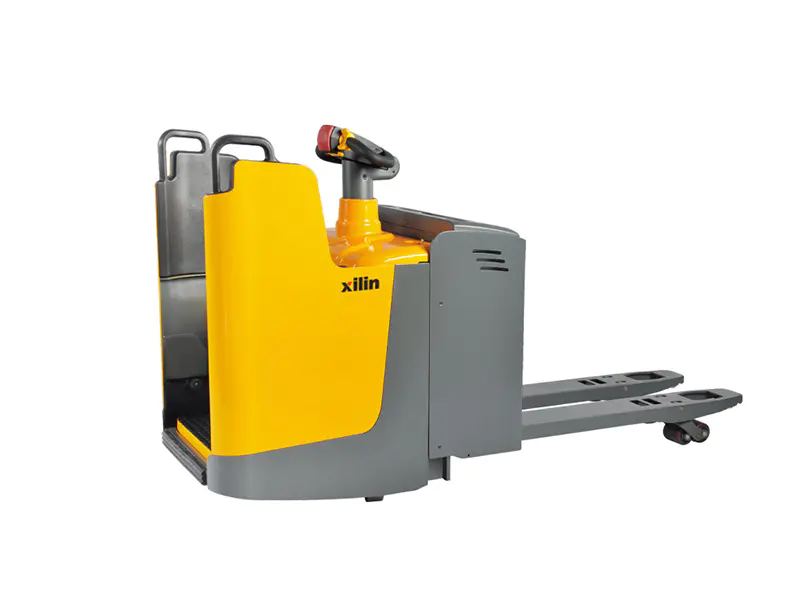
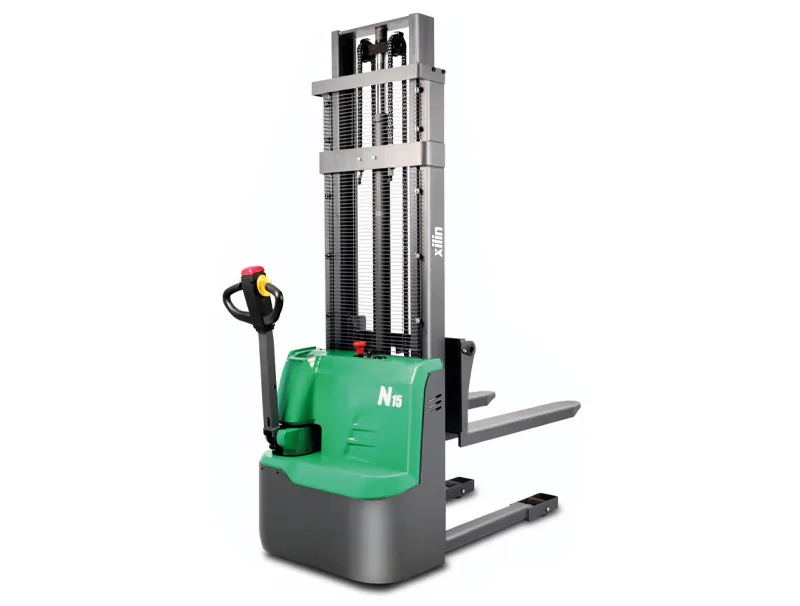
Models from the AWE range that suit the scenarios above. Specs are pulled straight from the product pages.
Frequently asked questions
Written by
The AWE Forklifts Team
Materials handling engineers, trainers and account managers, Rathcoole, Co. Dublin
AWE has supplied, hired, serviced and inspected materials handling equipment for Irish industry since 1985. Our guides are written by the same engineers who service the trucks, the instructors who deliver operator training, and the account managers who quote the hire rates — not by outside copywriters.
- Trading in Ireland since 1985
- Authorised Xilin forklift dealer for Ireland
- Official MasterMover electric tug distributor for Ireland
- Dublin workshop, parts store and training facility
- Nationwide mobile engineers, priority contract response
Technically reviewed by AWE service department, Rathcoole, Co. Dublin.
Keep reading
Safety & Compliance
Forklift Daily Safety Checklist for Irish Sites
The pre-use check takes five minutes and is the single cheapest way to prevent both incidents and breakdowns. Here is the full walk-around, in the order that works.
6 min read
Safety & Compliance
LOLER & Thorough Examination for Forklifts in Ireland: Who Needs What, and When
Thorough Examination is not the same as a service, and a service sticker is not a substitute. Here is what Irish law requires, how often, and who is legally allowed to sign it off.
8 min read
Buying & Costs
Lithium vs Lead-Acid Forklift Batteries: The Five-Year Cost
Lithium costs more up front and saves in three places: charging infrastructure, labour and battery replacement. Whether that adds up depends almost entirely on your shift pattern.
8 min read