
Buying & Costs
Lithium vs Lead-Acid Forklift Batteries: The Five-Year Cost
Lithium costs more up front and saves in three places: charging infrastructure, labour and battery replacement. Whether that adds up depends almost entirely on your shift pattern.
8 min read · Last updated 7 August 2026
Lead-acid remains the value choice for single-shift operations running under roughly five hours a day, where the truck can charge overnight and nobody needs to swap batteries. Lithium-ion wins on multi-shift work: it accepts opportunity charging during breaks, needs no watering or equalising, no ventilated charge room and no battery change equipment, and typically lasts two to three times as many cycles. The decision is a shift-pattern decision before it is a battery decision.
The differences that actually matter
| Factor | Lead-acid | Lithium-ion |
|---|---|---|
| Purchase cost | Low | 2–3× higher |
| Typical cycle life | 1,200–1,500 cycles | 3,000–5,000 cycles |
| Charging | 8h charge + cool-down | 1–2h fast, opportunity charging during breaks |
| Maintenance | Watering, equalising, terminal cleaning | Effectively none |
| Charge room | Ventilated room, spill containment, PPE | Charger on the wall |
| Usable capacity | ~80% depth of discharge | Near full capacity, stable voltage |
| Performance late in shift | Voltage sag, slower lift | Consistent to the end |
| Multi-shift working | Needs a second battery and change equipment | Same battery, top up during breaks |
Getting the life out of either chemistry
Lead-acid
- ›Never discharge below 20% — deep discharge is the fastest way to kill a battery.
- ›Top up with deionised water after charging, never before.
- ›Complete every charge cycle; interrupted charging causes sulphation.
- ›Equalise weekly per the manufacturer's schedule and keep terminals clean and greased.
Lithium-ion
- ›Opportunity charge freely — partial charges do no harm.
- ›Use only the matched charger and keep the BMS firmware current.
- ›Avoid prolonged storage at 100% state of charge; around 50% is kinder for long idle periods.
- ›Keep the pack within its rated temperature range, particularly in cold stores.
Working out your own number
Total the five-year picture: battery purchase, replacement batteries, charger and infrastructure, watering and swap labour, and lost productive hours. On a single-shift site the two chemistries usually land close together and lead-acid stays ahead on cash. Add a second shift and lithium typically pulls clear well before year five.
Equipment we'd recommend
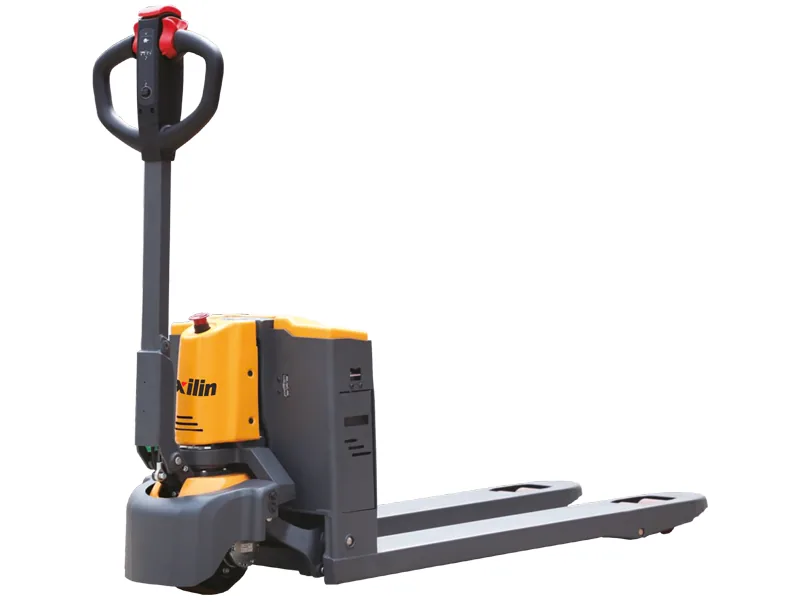
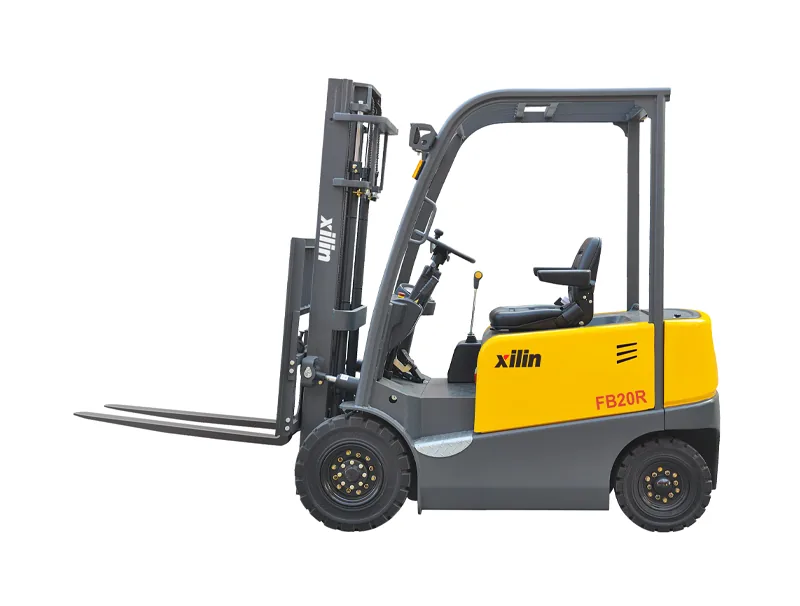
Models from the AWE range that suit the scenarios above. Specs are pulled straight from the product pages.
Frequently asked questions
Written by
The AWE Forklifts Team
Materials handling engineers, trainers and account managers, Rathcoole, Co. Dublin
AWE has supplied, hired, serviced and inspected materials handling equipment for Irish industry since 1985. Our guides are written by the same engineers who service the trucks, the instructors who deliver operator training, and the account managers who quote the hire rates — not by outside copywriters.
- Trading in Ireland since 1985
- Authorised Xilin forklift dealer for Ireland
- Official MasterMover electric tug distributor for Ireland
- Dublin workshop, parts store and training facility
- Nationwide mobile engineers, priority contract response
Technically reviewed by AWE service department, Rathcoole, Co. Dublin.
Keep reading
Buying & Costs
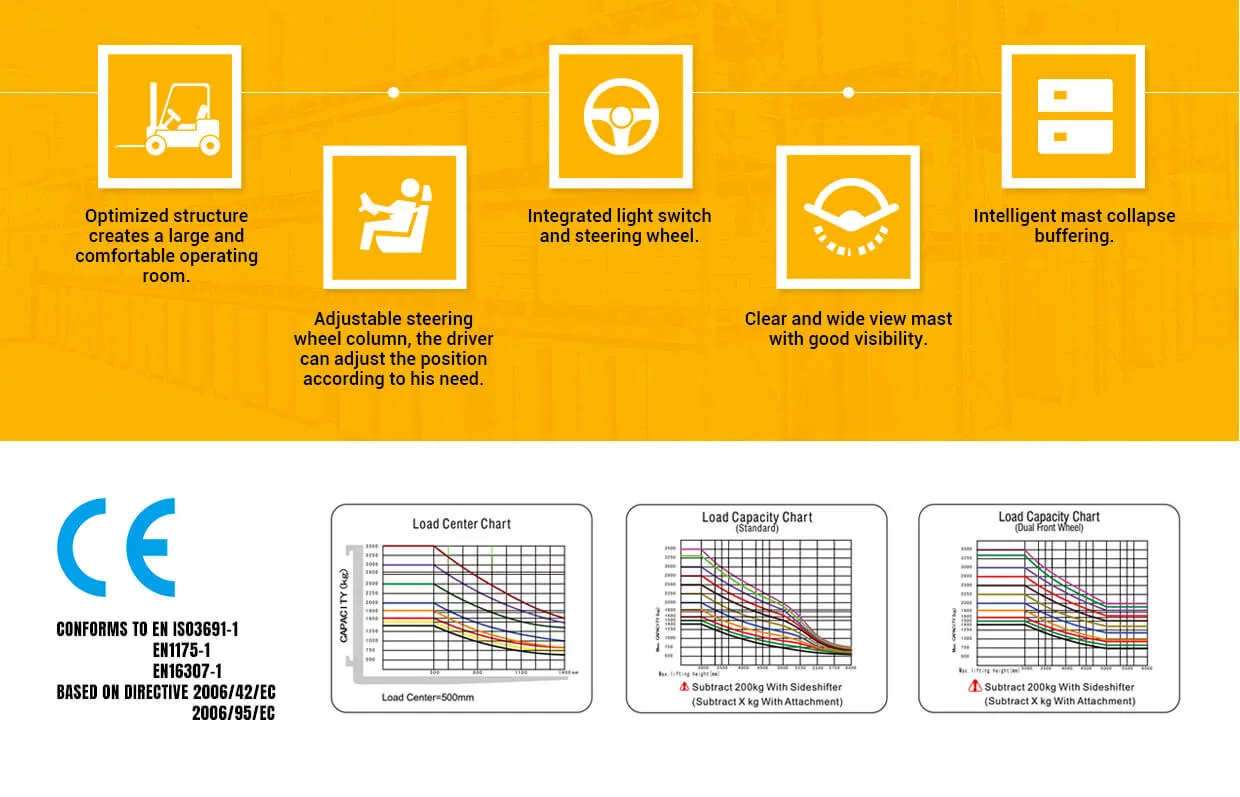
Electric vs Diesel vs LPG Forklifts: Which Suits an Irish Site?
Electric has won indoors and is now winning outdoors too — but diesel still has a job in muddy yards. Here is how the three power sources compare on cost, emissions and practicality in Ireland.
9 min read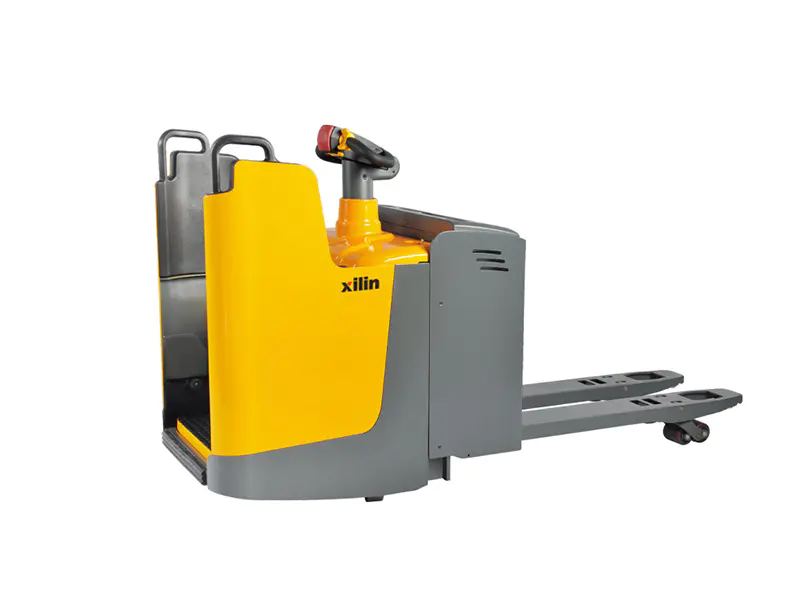
Operations & Maintenance
Forklift Maintenance Schedule: Daily, Weekly, Monthly and Annual
Most forklift breakdowns are predictable. A four-tier schedule — daily, weekly, monthly, planned service — catches the faults before they become downtime.
7 min read
Buying & Costs
How Much Does a Forklift Cost in Ireland? New, Used and Hire Compared
The purchase price is the smallest part of the decision. Here is how new, used, hire and contract hire compare once servicing, inspection, tyres and downtime are counted.
9 min read