
Buying & Costs
Electric vs Diesel vs LPG Forklifts: Which Suits an Irish Site?
Electric has won indoors and is now winning outdoors too — but diesel still has a job in muddy yards. Here is how the three power sources compare on cost, emissions and practicality in Ireland.
9 min read · Last updated 7 August 2026
For indoor work in Ireland, electric is now the default: no exhaust emissions, far lower running cost per hour, less noise and much lower maintenance. Diesel remains the choice for heavy outdoor work on rough or muddy yards and for long, unbroken shifts where refuelling beats recharging. LPG sits between the two — cleaner than diesel, usable indoors with adequate ventilation, and quick to swap bottles — but with a fuel cost that rarely competes with electricity. Most Irish sites mixing indoor racking with a hard-standing yard are best served by a modern lithium or AC electric counterbalance.
Head-to-head comparison
| Factor | Electric | Diesel | LPG |
|---|---|---|---|
| Indoor use | Ideal — zero emissions | Not suitable | Possible with ventilation |
| Energy cost per hour | Lowest | Highest | High |
| Maintenance | Fewest moving parts, no oil changes | Filters, oil, DPF, injectors | Filters, oil, ignition |
| Refuel / recharge | Opportunity charging or battery swap | Minutes | Minutes (bottle swap) |
| Rough or muddy ground | Good on hard standing, limited off-road | Best in class | Moderate |
| Noise | Very low | High | Moderate |
| Purchase price | Higher (lithium highest) | Lowest | Low |
| Total cost over 5 years | Usually lowest | Usually highest | Middle |
Electric — the default for Irish warehousing
Modern AC electric counterbalance trucks handle jobs that would have needed diesel a decade ago. Torque is instant, the mast is smoother under load, and there is no exhaust, so the same truck can move between a yard and a food-grade store without a second thought.
- ›No fuel handling, no bunded storage, no bottle cage.
- ›Regenerative braking recovers energy and reduces brake wear.
- ›Sealed AC motors mean no brush changes and long service intervals.
- ›Quiet enough for night deliveries in built-up areas — a real planning consideration in Dublin.
- ›Lithium options allow opportunity charging during breaks instead of a battery change room.
Check the yard, not the brochure
Electric handles hard standing, tarmac and concrete without complaint. Broken ground, deep gravel and steep unmade ramps are where diesel still earns its place. Walk the worst 20 metres of your yard before deciding.
Diesel — still right for some yards
Diesel gives high sustained power, unlimited running with a jerry can, and the ground clearance and traction that construction, timber, recycling and agri sites need. The trade-off is running cost, servicing, noise and the fact that it cannot come indoors.
Emissions rules and site policies are tightening. If a diesel truck spends part of its week indoors, treat that as a compliance risk rather than a habit.
LPG — the middle ground
LPG starts instantly, refuels in a minute and runs cleaner than diesel, which is why it persists in mixed indoor-outdoor operations. The economics are the weakness: bottle costs, storage, exchange logistics and a fuel spend that a lithium truck will beat comfortably over a five-year life.
How to decide in five questions
- How many hours per day does the truck actually work? Under 5 hours, standard lead-acid electric is plenty.
- Is any of the work indoors, in food, pharma or a cold store? If yes, electric.
- What is the ground like at its worst? Broken ground pushes towards diesel.
- Is there a second shift? Multi-shift work favours lithium or a spare battery over a diesel refuel.
- What does electricity cost you against diesel, at your actual tariff? Run the numbers rather than assuming.
Equipment we'd recommend
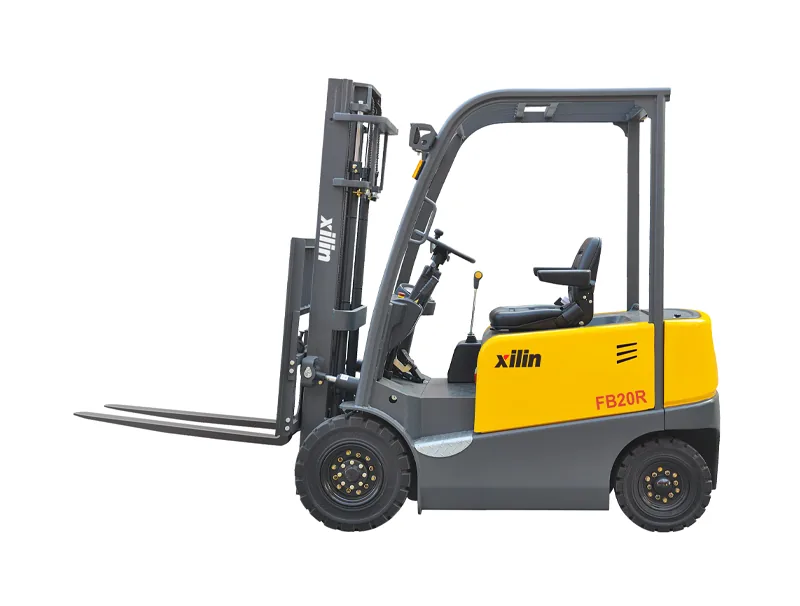
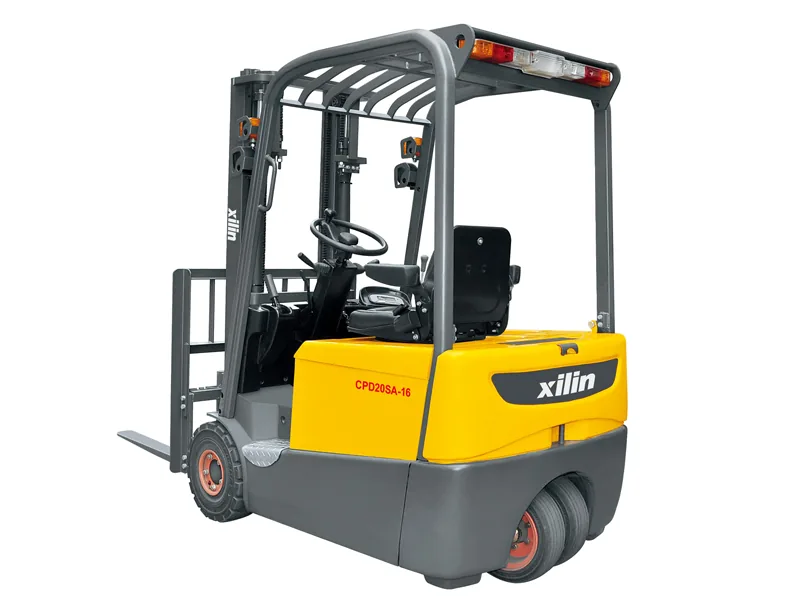
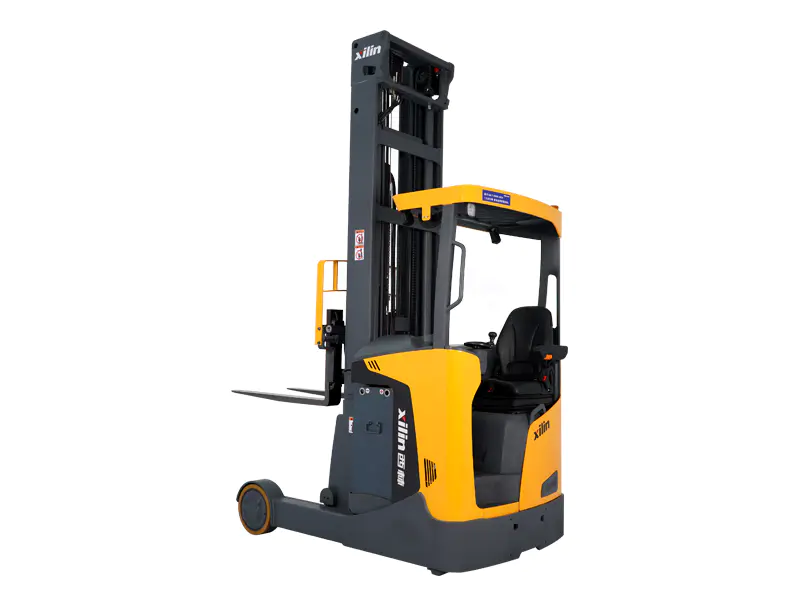
Models from the AWE range that suit the scenarios above. Specs are pulled straight from the product pages.
Frequently asked questions
Written by
The AWE Forklifts Team
Materials handling engineers, trainers and account managers, Rathcoole, Co. Dublin
AWE has supplied, hired, serviced and inspected materials handling equipment for Irish industry since 1985. Our guides are written by the same engineers who service the trucks, the instructors who deliver operator training, and the account managers who quote the hire rates — not by outside copywriters.
- Trading in Ireland since 1985
- Authorised Xilin forklift dealer for Ireland
- Official MasterMover electric tug distributor for Ireland
- Dublin workshop, parts store and training facility
- Nationwide mobile engineers, priority contract response
Technically reviewed by AWE sales engineering, Rathcoole, Co. Dublin.
Keep reading
Buying & Costs
Lithium vs Lead-Acid Forklift Batteries: The Five-Year Cost
Lithium costs more up front and saves in three places: charging infrastructure, labour and battery replacement. Whether that adds up depends almost entirely on your shift pattern.
8 min read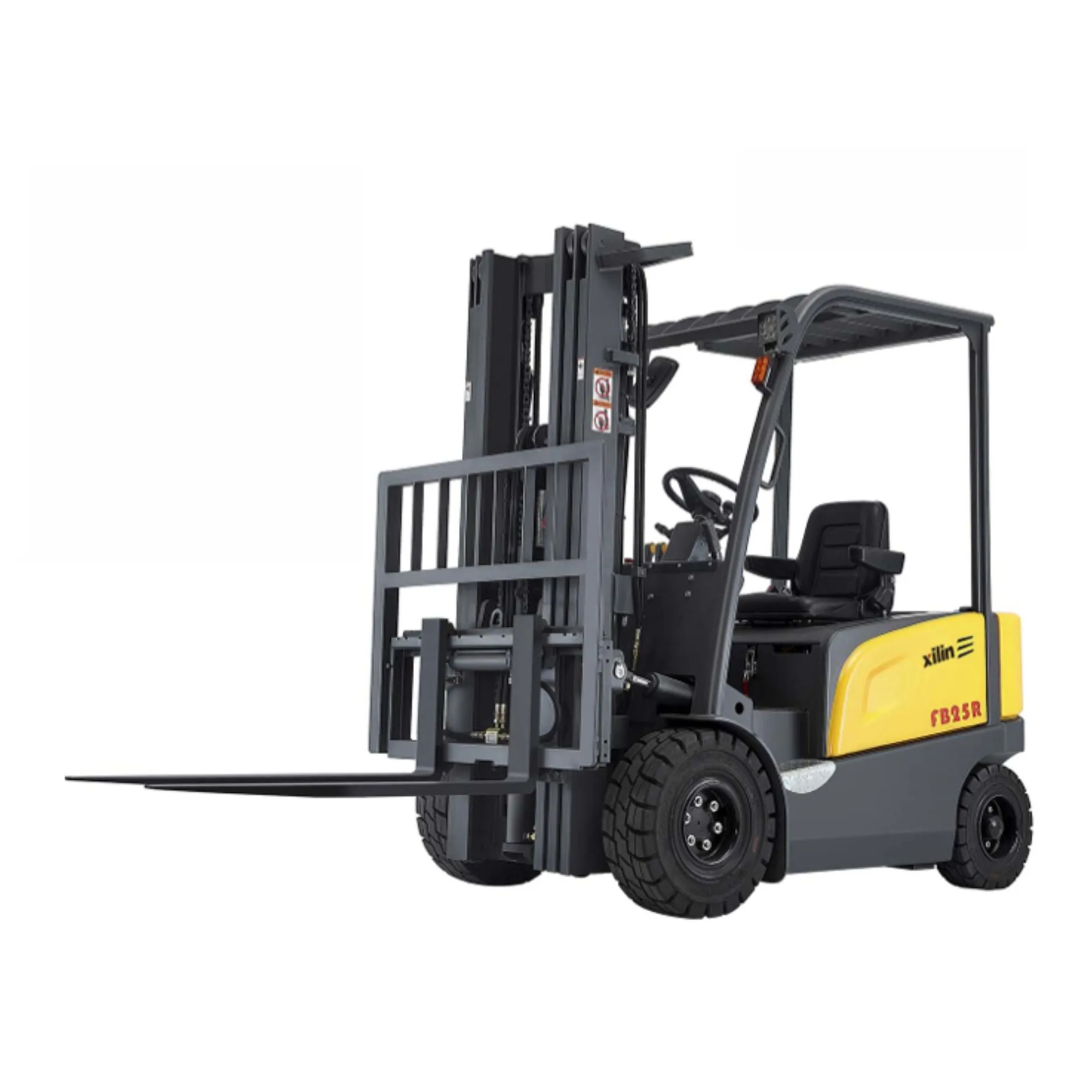
Buying & Costs
How Much Does a Forklift Cost in Ireland? New, Used and Hire Compared
The purchase price is the smallest part of the decision. Here is how new, used, hire and contract hire compare once servicing, inspection, tyres and downtime are counted.
9 min read
Buying & Costs
New vs Used Forklifts: When Refurbished Is the Smarter Buy
A well-documented ex-hire truck can do the same job for far less. The risk is not age, it is unknown history — here is what to check and when to pay for new.
7 min read