
Safety & Compliance
Thorough Examination vs Service: What Irish Law Actually Requires
Two different visits, two different purposes, and only one of them is a legal duty. Here is how Thorough Examination and routine servicing fit together.
7 min read · Last updated 1 September 2026
A Thorough Examination is a statutory inspection of lifting equipment carried out by a competent person, resulting in a formal report you must keep and produce on request. A service is a maintenance activity that keeps the truck reliable and is not, by itself, evidence of statutory compliance. Under the Safety, Health and Welfare at Work (General Application) Regulations, lifting equipment used for lifting loads is examined at least every 12 months, and equipment that lifts people at least every 6 months. Servicing intervals are set separately by hours and duty cycle.
The difference in one table
| Thorough Examination | Routine service | |
|---|---|---|
| Purpose | Verify the equipment is safe to continue in use | Keep the equipment reliable and efficient |
| Statutory duty | Yes | No — but it protects the truck and the warranty |
| Carried out by | A competent person | A qualified engineer |
| Output | Formal report and certificate | Service sheet and defect report |
| Typical frequency | 12 months for loads, 6 months for people | By hours run — often every 500 hours |
| Can it fail the truck? | Yes — defects can require it out of service | Defects are reported and quoted |
What records you have to keep
- ›The current Thorough Examination report for every item of lifting equipment on site.
- ›Evidence that reported defects were acted on, not just recorded.
- ›Operator training and certification records for everyone driving.
- ›Daily pre-use check records, which are the first thing asked for after an incident.
Where sites usually come unstuck
Not the examination itself — the follow-up. A report listing defects, with no evidence of repair and the truck still working, is worse than no report at all.
Scheduling both without doubling the disruption
Most Irish fleets align the statutory examination with a planned maintenance visit, so the truck comes off the floor once instead of twice. Where a fleet has drifted out of sync, the practical fix is to bring every truck onto a common anniversary and let the service plan run on hours underneath it.
- Inventory every lifting item on site, including attachments and access platforms.
- Record the current examination date and next due date for each.
- Align examinations onto a single scheduled visit where possible.
- Set reminders 30 days ahead so a lapse is never discovered on the day.
Frequently asked questions
Written by
The AWE Forklifts Team
Materials handling engineers, trainers and account managers, Rathcoole, Co. Dublin
AWE has supplied, hired, serviced and inspected materials handling equipment for Irish industry since 1985. Our guides are written by the same engineers who service the trucks, the instructors who deliver operator training, and the account managers who quote the hire rates — not by outside copywriters.
- Trading in Ireland since 1985
- Authorised Xilin forklift dealer for Ireland
- Official MasterMover electric tug distributor for Ireland
- Dublin workshop, parts store and training facility
- Nationwide mobile engineers, priority contract response
Keep reading
Safety & Compliance
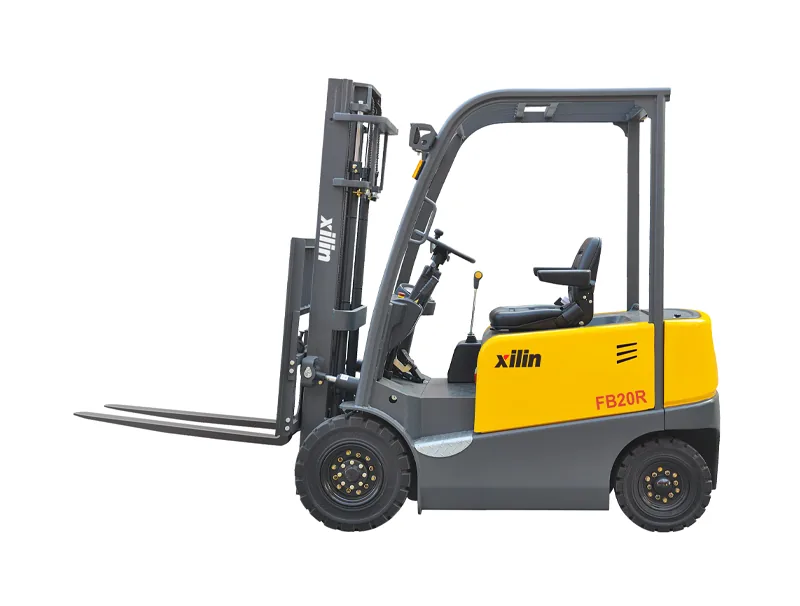
LOLER & Thorough Examination for Forklifts in Ireland: Who Needs What, and When
Thorough Examination is not the same as a service, and a service sticker is not a substitute. Here is what Irish law requires, how often, and who is legally allowed to sign it off.
8 min read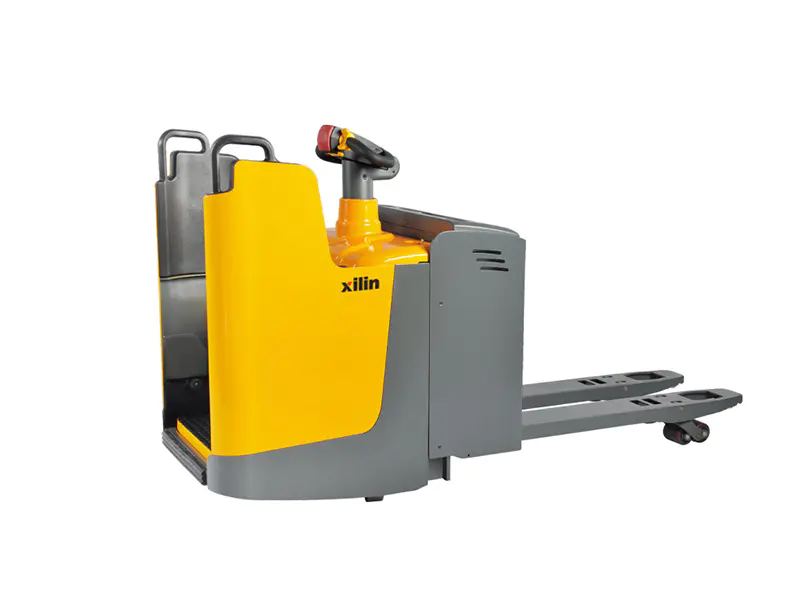
Operations & Maintenance
Forklift Maintenance Schedule: Daily, Weekly, Monthly and Annual
Most forklift breakdowns are predictable. A four-tier schedule — daily, weekly, monthly, planned service — catches the faults before they become downtime.
7 min read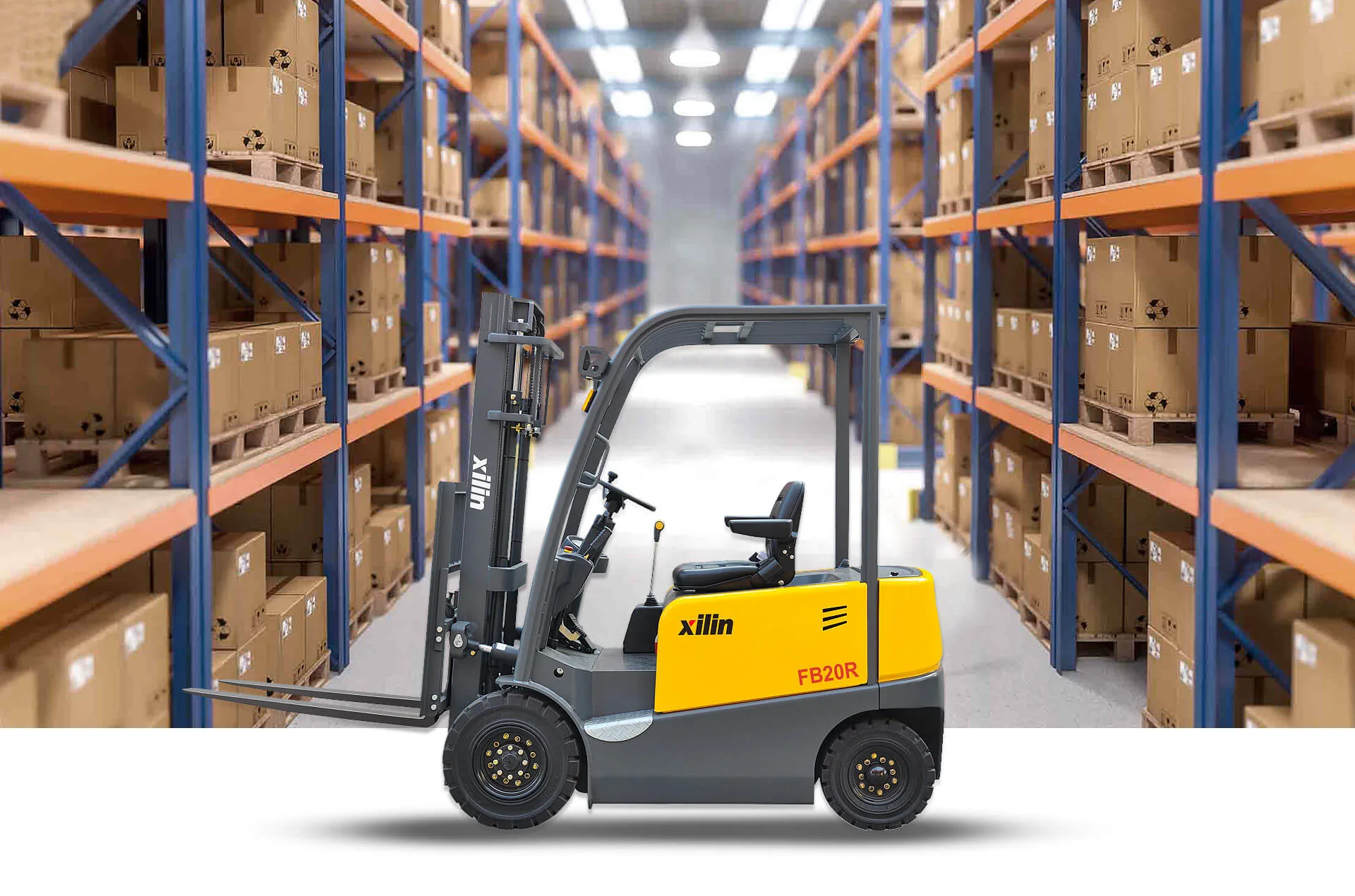
Safety & Compliance
Forklift Daily Safety Checklist for Irish Sites
The pre-use check takes five minutes and is the single cheapest way to prevent both incidents and breakdowns. Here is the full walk-around, in the order that works.
6 min read