
Choosing Equipment
Pallet Truck vs Stacker vs Counterbalance: Choosing the Right Truck
Four machine types, one decision. Lift height and aisle width settle it faster than any spec sheet — here is the selection logic we use on site surveys.
7 min read · Last updated 7 August 2026
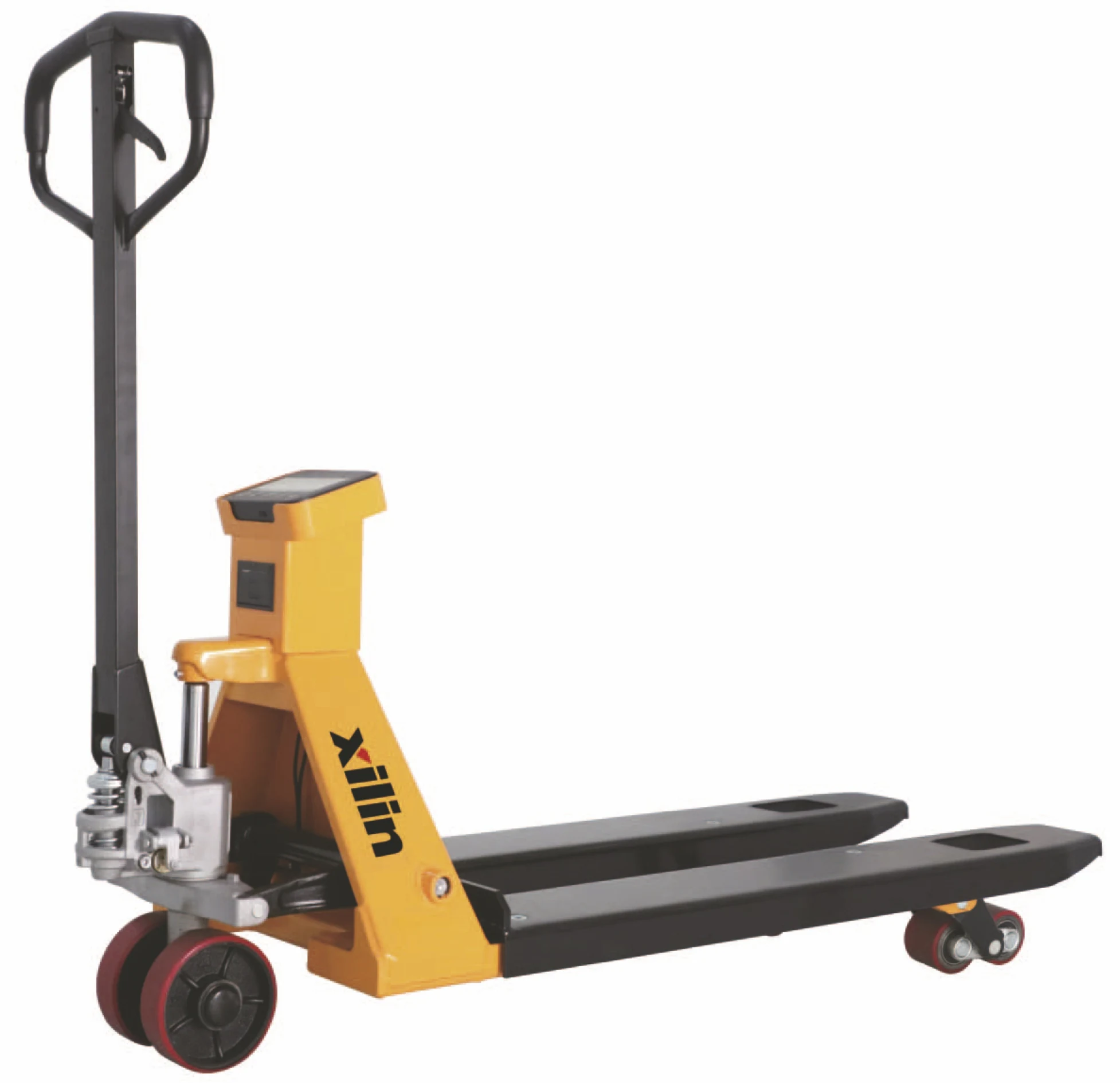
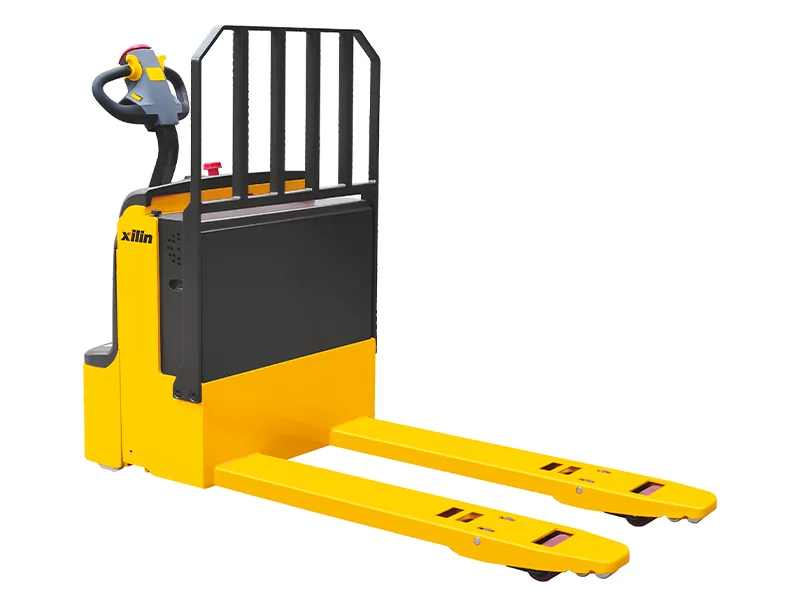
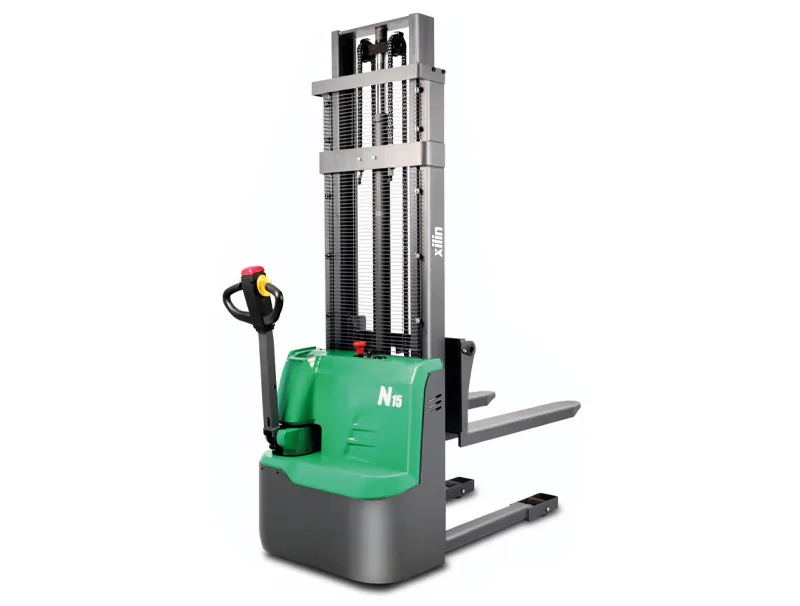
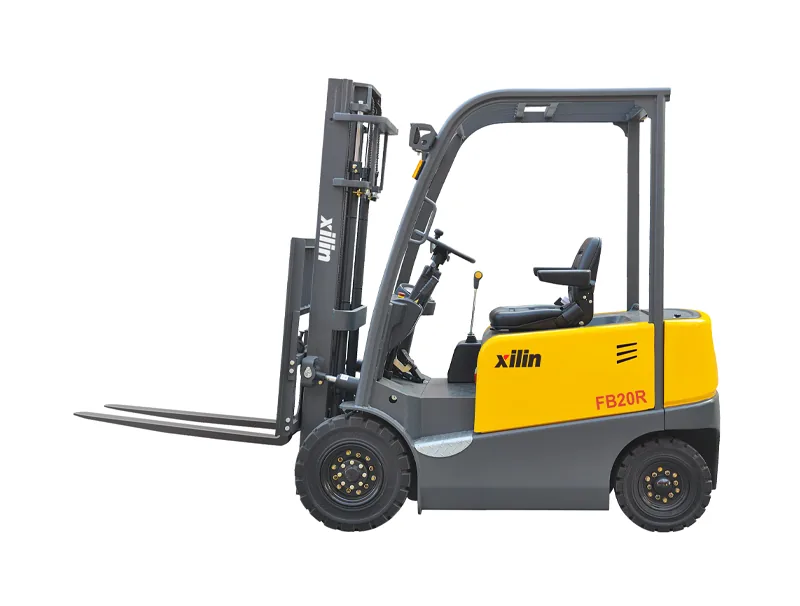
Choose by lift height first. Ground-level movement only means a hand or powered pallet truck. Lifting to around 1.6–5.5 m in tight aisles means a pallet stacker. Working above 5.5 m in narrow aisles means a reach truck. Loading lorries, working outdoors, or handling heavy or awkward loads at moderate height means a counterbalance. Aisle width is the second filter: counterbalance trucks need roughly 3.5–4 m of working aisle, stackers around 2.2–2.6 m, and reach trucks about 2.7–3 m.
Quick selector
| Machine | Lift height | Aisle needed | Typical job |
|---|---|---|---|
| Hand pallet truck | Break-out only | Any | Moving pallets on the flat, deliveries, retail back-of-house |
| Powered pallet truck | Break-out only | Any | Trailer unloading, long horizontal runs, order picking |
| Pallet stacker | 1.6–5.5 m | 2.2–2.6 m | Low and mid-level racking, mezzanine feed |
| Reach truck | 6–12 m | 2.7–3.0 m | Narrow-aisle high racking |
| Counterbalance | 3–7 m typical | 3.5–4.0 m | Loading bays, yards, heavy or awkward loads |
Five questions that settle it
- What is the highest beam you need to place a pallet on, measured to the top beam level?
- What is the narrowest working aisle, measured between pallet overhangs rather than racking uprights?
- What is the heaviest load, and where is its centre of gravity?
- Does the truck need to leave the building — onto tarmac, a ramp, or broken ground?
- How many hours a day will it actually run, and across how many shifts?
Capacity is not the number on the badge
A 2.0 t truck does not lift 2.0 t at full height with a side shift fitted. Always work from the capacity plate for the actual mast, attachment and load centre — de-rating catches people out constantly.
Common mistakes
- ›Buying a counterbalance for a building whose aisles cannot accommodate it, then losing pallet positions to widen them.
- ›Ignoring closed mast height and hitting a door lintel or a container roof.
- ›Sizing on the average load instead of the worst load.
- ›Forgetting free lift when working inside containers or under a mezzanine.
- ›Choosing cushion tyres for a yard, or pneumatics for a polished food-grade floor.
Getting it right on your site
A free 60–90 minute site survey removes the guesswork: we measure aisles, beam heights, door openings and floor condition, watch the actual shift pattern, and put the recommendation in writing with the capacity plate figures for your loads.
Equipment we'd recommend
Models from the AWE range that suit the scenarios above. Specs are pulled straight from the product pages.
Frequently asked questions
Written by
The AWE Forklifts Team
Materials handling engineers, trainers and account managers, Rathcoole, Co. Dublin
AWE has supplied, hired, serviced and inspected materials handling equipment for Irish industry since 1985. Our guides are written by the same engineers who service the trucks, the instructors who deliver operator training, and the account managers who quote the hire rates — not by outside copywriters.
- Trading in Ireland since 1985
- Authorised Xilin forklift dealer for Ireland
- Official MasterMover electric tug distributor for Ireland
- Dublin workshop, parts store and training facility
- Nationwide mobile engineers, priority contract response
Technically reviewed by AWE sales engineering, Rathcoole, Co. Dublin.
Keep reading
Choosing Equipment
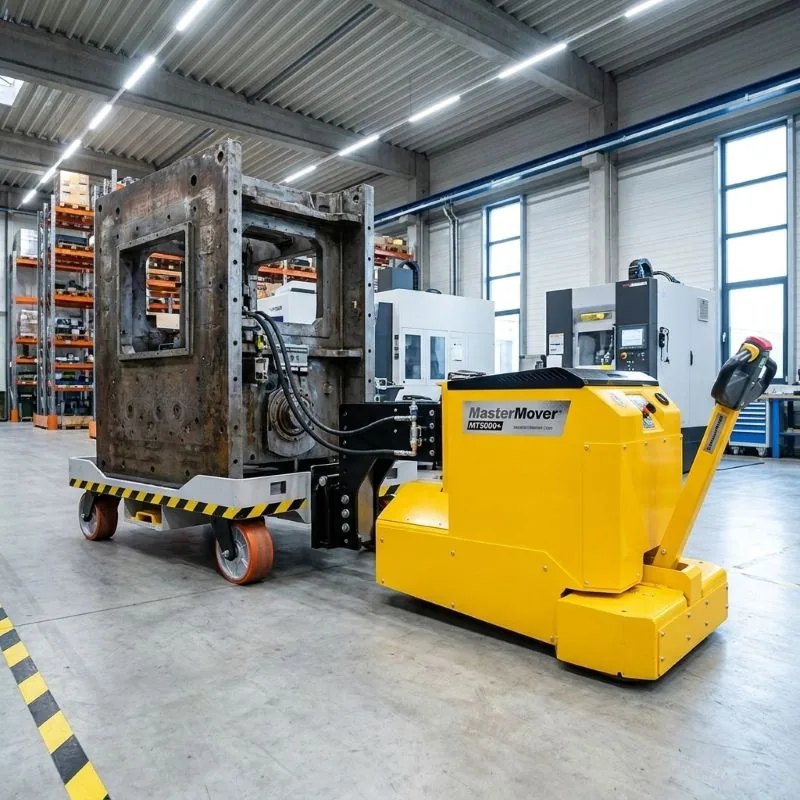
Electric Tugs vs Forklifts: Moving Heavy Loads Safely Indoors
If the load is already on wheels, a forklift is often the wrong tool. Electric tugs move up to 70,000 kg with one pedestrian operator and no lifting at all.
7 min read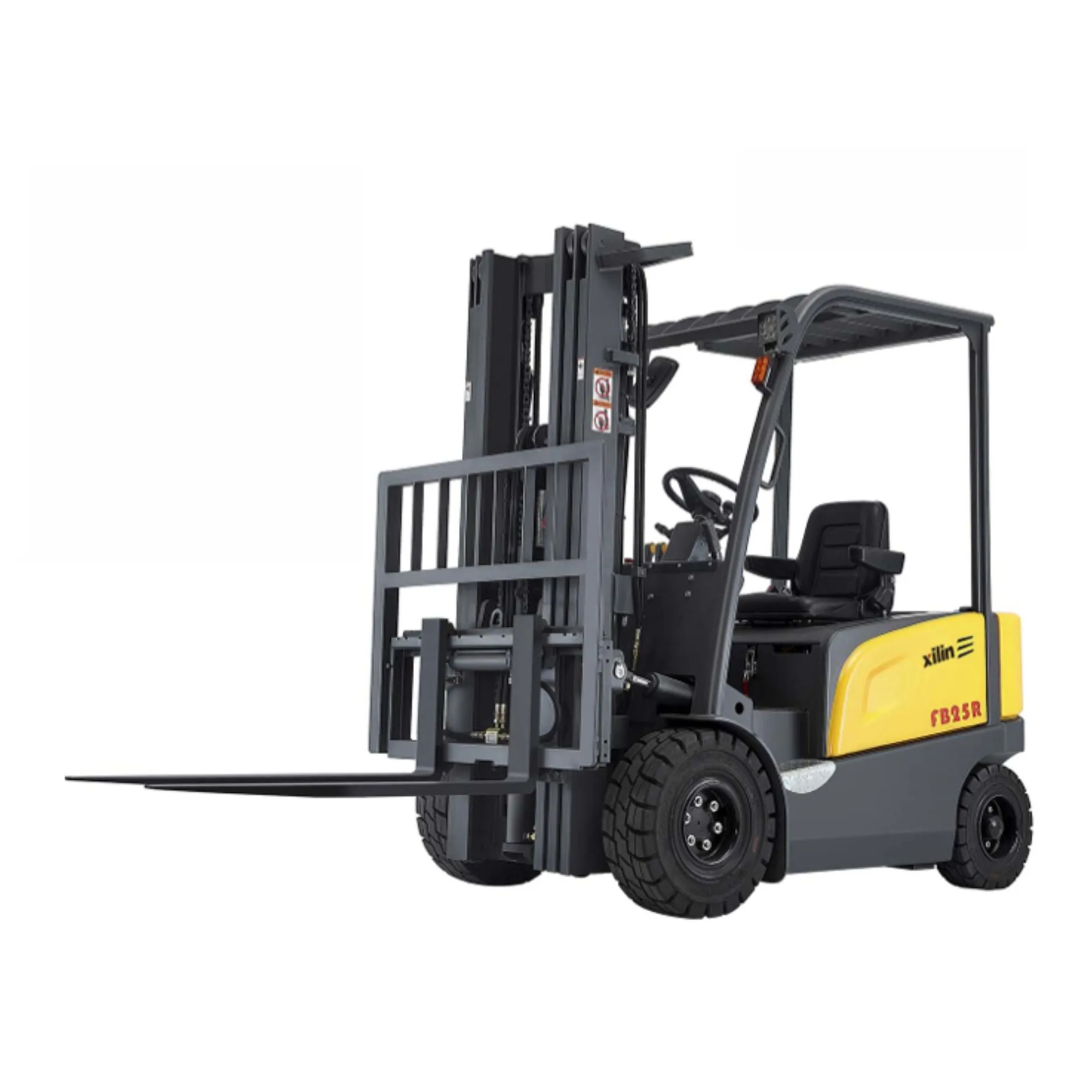
Buying & Costs
How Much Does a Forklift Cost in Ireland? New, Used and Hire Compared
The purchase price is the smallest part of the decision. Here is how new, used, hire and contract hire compare once servicing, inspection, tyres and downtime are counted.
9 min read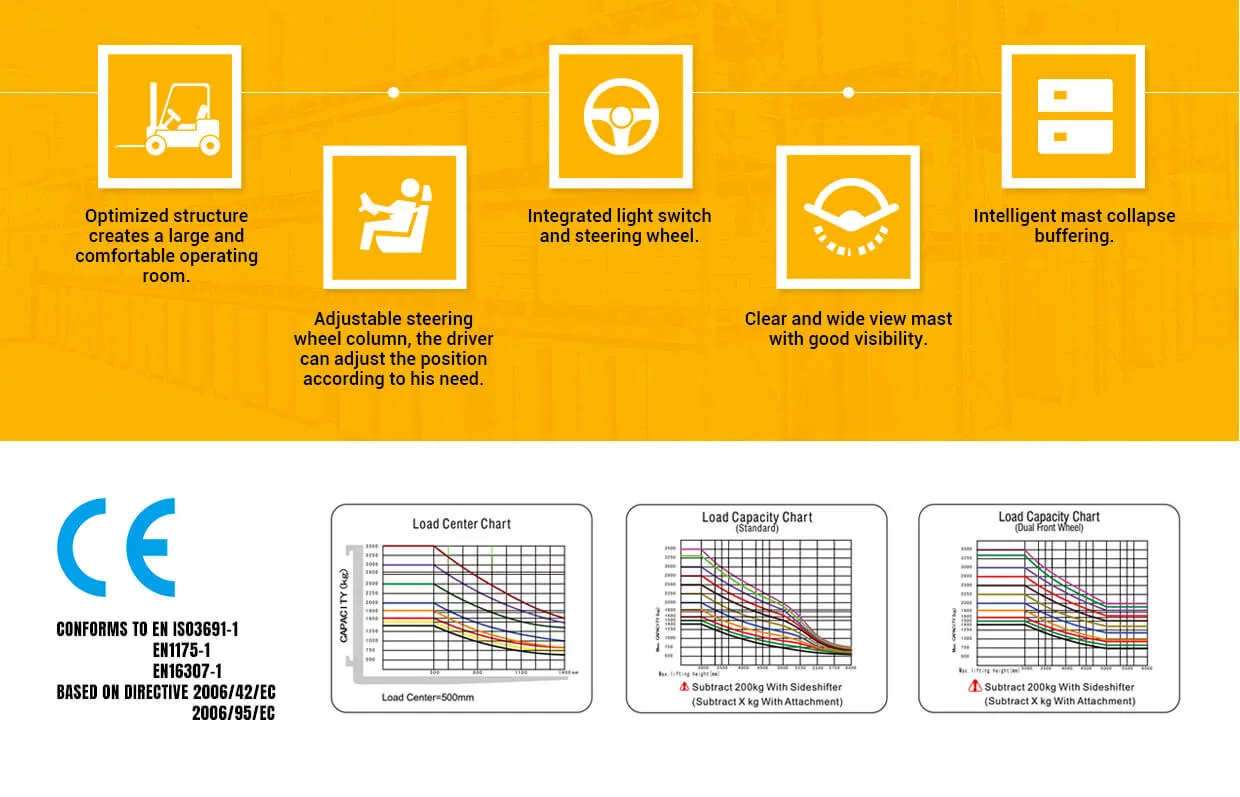
Buying & Costs
Electric vs Diesel vs LPG Forklifts: Which Suits an Irish Site?
Electric has won indoors and is now winning outdoors too — but diesel still has a job in muddy yards. Here is how the three power sources compare on cost, emissions and practicality in Ireland.
9 min read