
Choosing Equipment
Electric Tugs vs Forklifts: Moving Heavy Loads Safely Indoors
If the load is already on wheels, a forklift is often the wrong tool. Electric tugs move up to 70,000 kg with one pedestrian operator and no lifting at all.
7 min read · Last updated 7 August 2026
An electric tug is the better choice whenever a load is already on wheels or castors and needs to be moved rather than lifted. A pedestrian-operated tug couples to the load and moves it under full control at walking pace, in spaces far too tight for a forklift, with no lifting risk and no need for an operator seat. MasterMover tugs handle from a few hundred kilos up to 70,000 kg. A forklift remains the right tool for palletised goods, lifting to height and loading vehicles.
When a tug beats a forklift
- ›The load is on wheels, castors or a trolley — roll cages, bins, gurneys, dollies, tooling carts.
- ›The space is tight: pharma cleanrooms, hospital corridors, aircraft hangars, laboratories, food production halls.
- ›The floor is finished or hygienic and cannot take forklift traffic.
- ›Manual pushing is causing musculoskeletal injuries or requires several people.
- ›The load is extremely heavy but low — plant, modular buildings, rail vehicles, marine sections.
The manual-handling business case
Two or three people pushing a heavy trolley is both a manual-handling risk and a productivity problem. A single operator with a tug removes the injury exposure and frees the others for productive work — which is usually where the payback comes from.
Side by side
| Factor | Electric tug | Forklift |
|---|---|---|
| Load type | Wheeled loads and trailers | Pallets and unit loads |
| Lifting to height | No | Yes |
| Space required | Minimal — walks with the load | Full turning circle plus aisle |
| Operator | Pedestrian, walk-behind or remote | Seated, certified category |
| Capacity range | Up to 70,000 kg | Typically to 5,000 kg on standard trucks |
| Cleanroom / stainless options | Yes, including 316 stainless | Limited |
| Floor impact | Low point loading | Higher, especially loaded |
Where Irish sites use them
Pharmaceutical and biotech plants use stainless-steel tugs to move vessels and IBCs between cleanroom zones without breaking hygiene protocols. Aerospace and automotive use them to position tooling and part carriers precisely. Hospitals move beds, bins and laundry cages. Manufacturers move plant, dies and modular assemblies that would otherwise need a crane or several people.
Specifying the right tug
- Total load weight including the trolley itself, at its heaviest.
- Gradients on the route, including ramps and dock approaches.
- Floor surface and condition — traction determines achievable capacity.
- Coupling method: the tug must attach securely to your specific trolley or chassis.
- Environment: washdown, hygiene, ATEX, cold store or cleanroom requirements.
- Duty cycle and battery capacity for the shift pattern.
Equipment we'd recommend
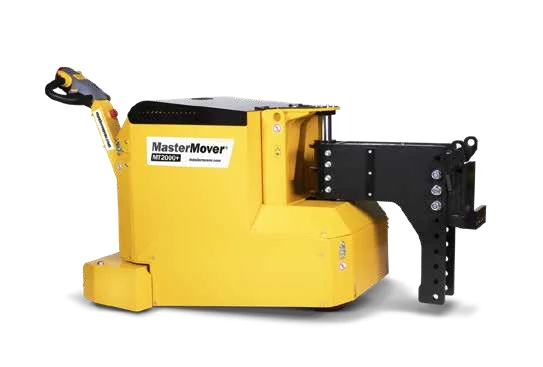
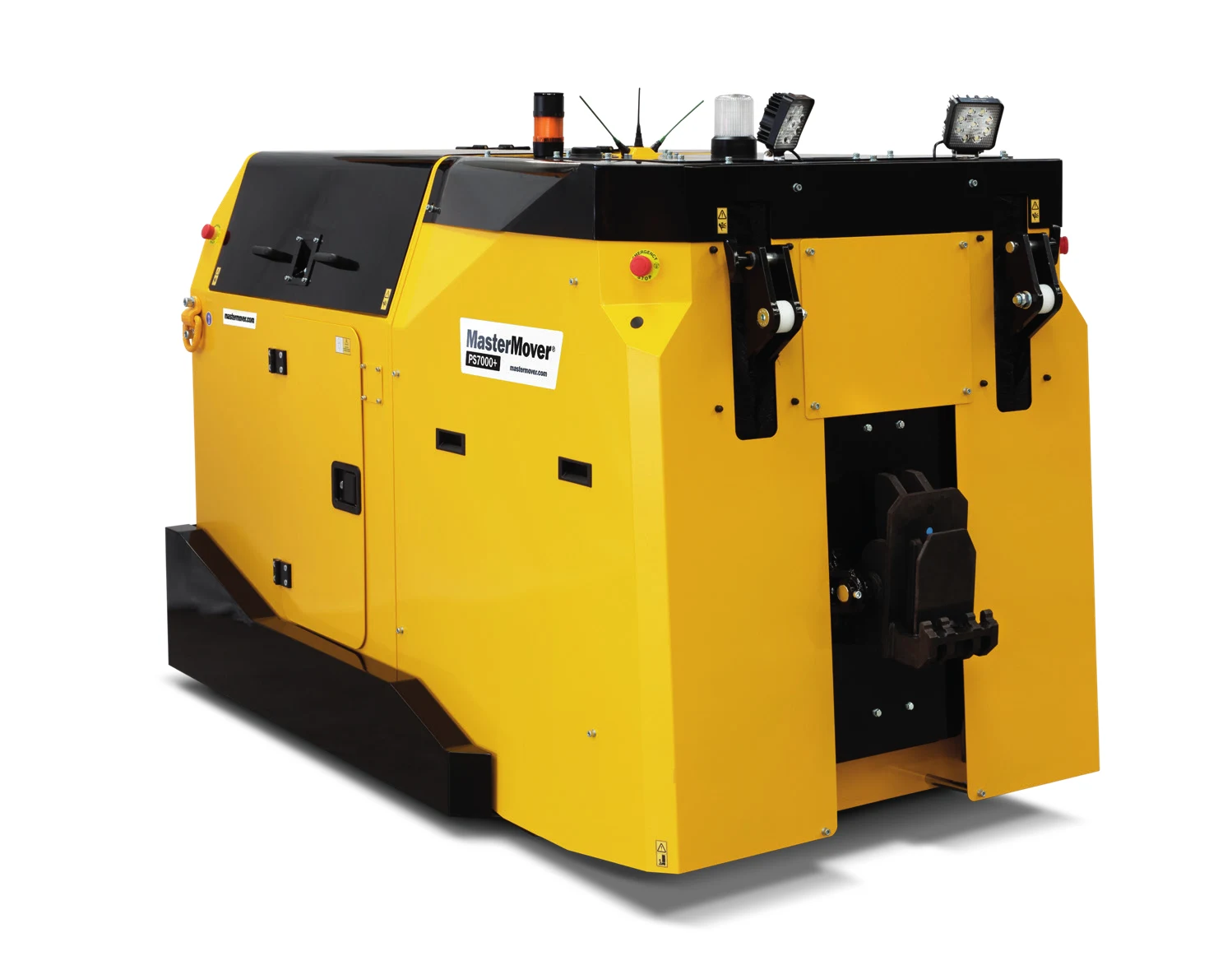
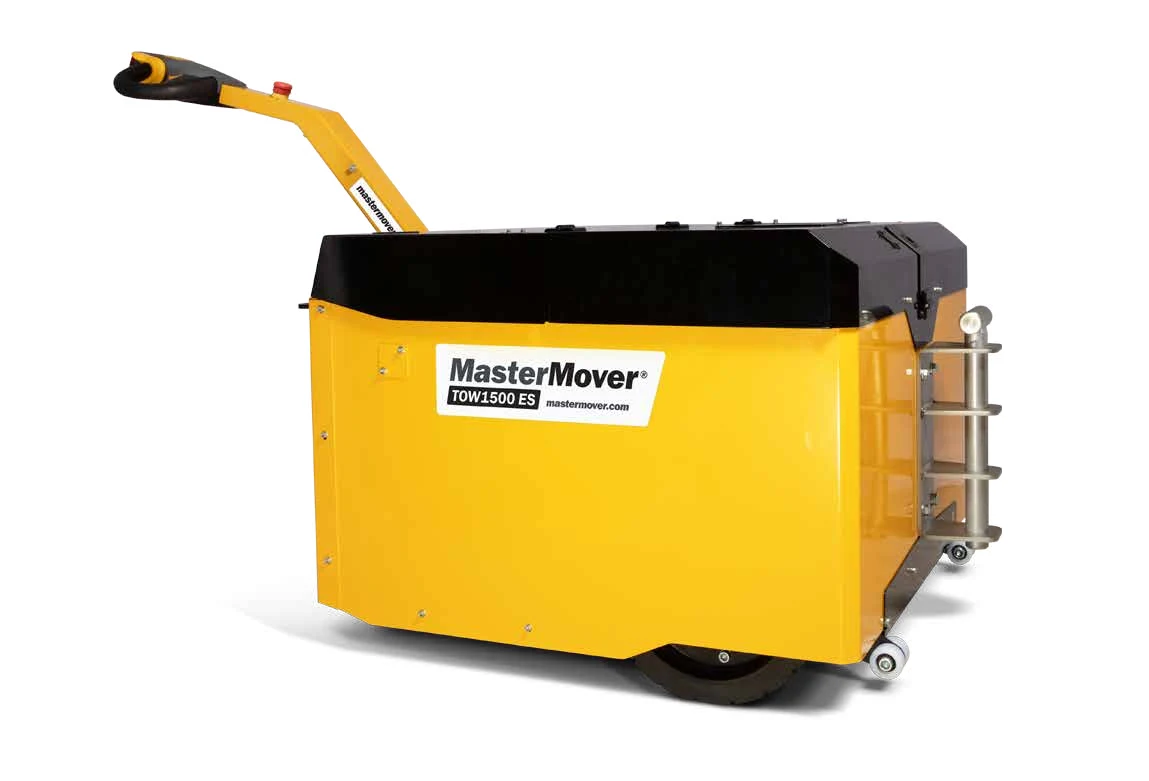
Models from the AWE range that suit the scenarios above. Specs are pulled straight from the product pages.
Frequently asked questions
Written by
The AWE Forklifts Team
Materials handling engineers, trainers and account managers, Rathcoole, Co. Dublin
AWE has supplied, hired, serviced and inspected materials handling equipment for Irish industry since 1985. Our guides are written by the same engineers who service the trucks, the instructors who deliver operator training, and the account managers who quote the hire rates — not by outside copywriters.
- Trading in Ireland since 1985
- Authorised Xilin forklift dealer for Ireland
- Official MasterMover electric tug distributor for Ireland
- Dublin workshop, parts store and training facility
- Nationwide mobile engineers, priority contract response
Technically reviewed by AWE MasterMover specialists, Rathcoole, Co. Dublin.
Keep reading
Choosing Equipment
Pallet Truck vs Stacker vs Counterbalance: Choosing the Right Truck
Four machine types, one decision. Lift height and aisle width settle it faster than any spec sheet — here is the selection logic we use on site surveys.
7 min read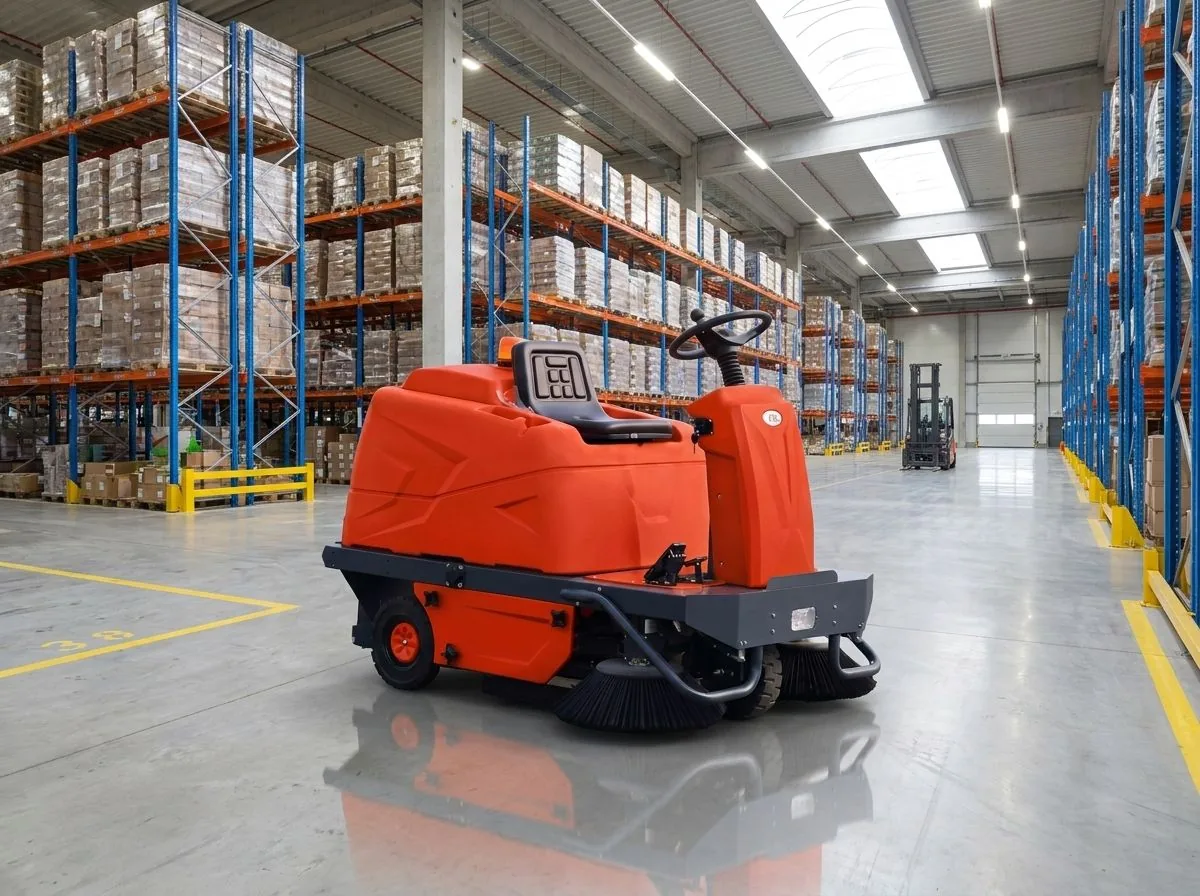
Choosing Equipment
Scrubber vs Sweeper vs Combined: Picking the Right Floor Cleaning Machine
Sweepers pick up dry debris, scrubbers wash and dry, combined machines do both in one pass. Matching the machine to the soil type is what decides the outcome.
6 min read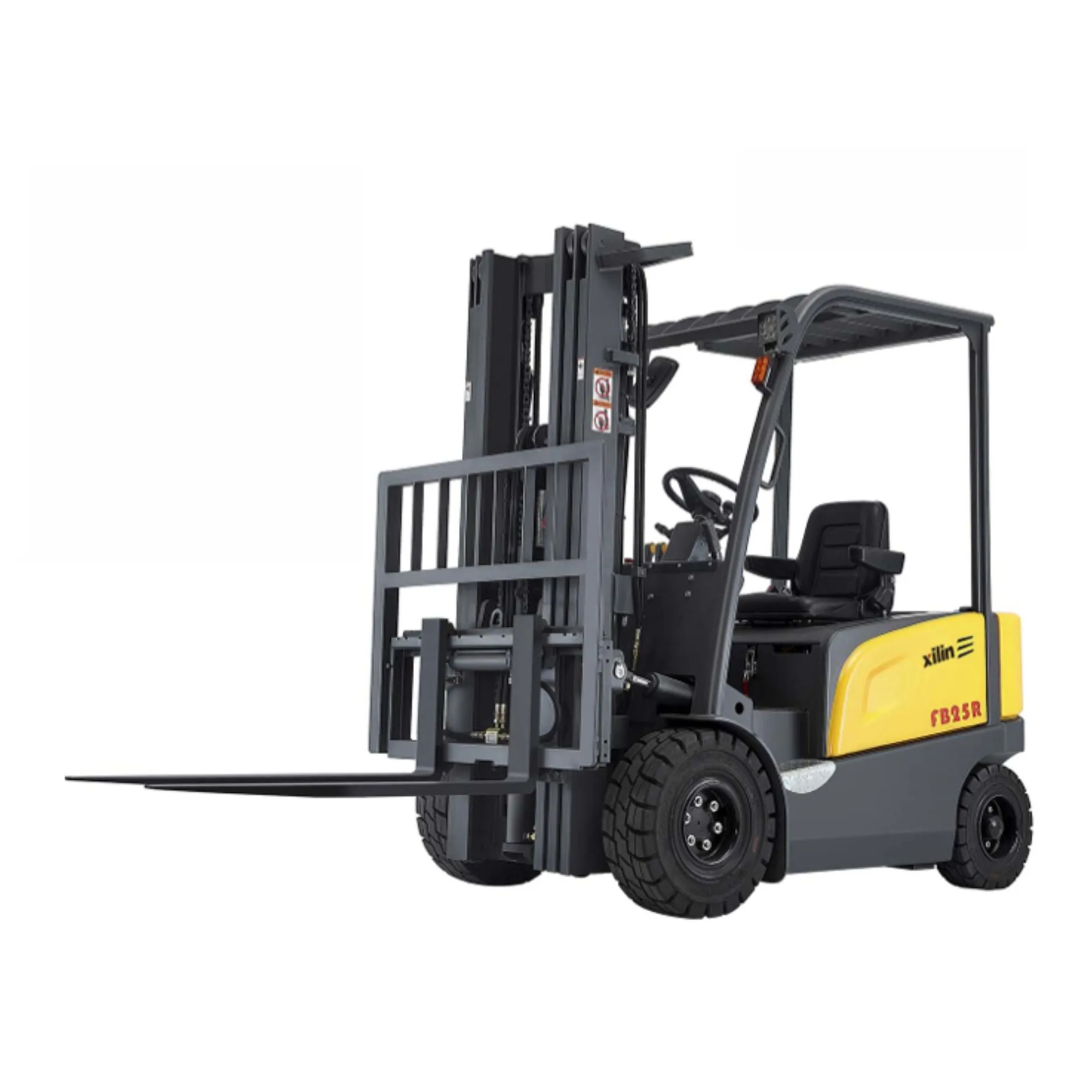
Buying & Costs
How Much Does a Forklift Cost in Ireland? New, Used and Hire Compared
The purchase price is the smallest part of the decision. Here is how new, used, hire and contract hire compare once servicing, inspection, tyres and downtime are counted.
9 min read