
Choosing Equipment
Cold Store and Food-Grade Handling Equipment: What Changes
Below 0°C, standard equipment fails in ways that look like bad luck but are entirely predictable. Here is what to specify for chilled, frozen and food-grade areas.
8 min read · Last updated 13 August 2026
Equipment for cold stores and food-grade areas needs four things standard trucks lack: a cold-store pack (heated cabin, low-temperature hydraulic oil, sealed and heated electronics), condensation management when moving between temperature zones, non-marking or food-safe tyres, and corrosion-resistant or stainless construction for washdown areas. Lithium batteries hold up better than lead-acid in the cold, and electric tugs are often the safest way to move heavy wheeled loads inside chilled production rooms.
Three environments, three specifications
| Environment | Typical temperature | Key specification |
|---|---|---|
| Ambient food production | 10–20°C | Non-marking tyres, washdown-tolerant finish, food-safe lubricants |
| Chilled | 0–5°C | Sealed electrics, condensation management, heated display |
| Frozen / cold store | -18 to -30°C | Full cold-store pack, low-temp hydraulic oil, heated cab, lithium battery |
What a cold-store pack actually includes
- ›Low-temperature hydraulic oil that stays fluid at -30°C.
- ›Heated and sealed control electronics, connectors and display.
- ›Corrosion protection on the mast, chassis and fasteners.
- ›Heated operator cabin or, at minimum, heated seat, grips and screen.
- ›Cold-rated seals throughout the hydraulic system.
- ›Cold-tolerant battery chemistry and, where possible, a battery heater.
Condensation is the real enemy
Trucks that shuttle between a -25°C store and a 15°C dock condense moisture on and inside the electronics every trip, then freeze it on the way back. Either dedicate trucks to one zone, or specify full sealing and a controlled soak period between zones.
Battery choice in the cold
Lead-acid loses roughly 25–35% of usable capacity at -20°C and charges poorly when cold. Lithium handles the cold far better in discharge, but charging a lithium pack below 0°C damages cells unless the pack has an integrated heater — so specify one.
| Lead-acid in cold store | Lithium in cold store | |
|---|---|---|
| Usable capacity at -20°C | Down 25–35% | Down 10–20% |
| Charging | Slow, best in a warm room | Needs pack heater below 0°C |
| Shift coverage | Often needs a spare pack | Opportunity charging usually enough |
| Maintenance | Watering in a warm area | None |
Food-grade and washdown areas
- ›Stainless steel or fully galvanised construction where caustic washdown is routine.
- ›IP-rated electrics appropriate to the washdown method used.
- ›Non-marking, food-safe tyre compounds.
- ›Smooth, crevice-free surfaces that can be cleaned and visually verified.
- ›Food-grade lubricants where any contact risk exists.
- ›Documented cleaning procedure that the equipment can actually withstand.
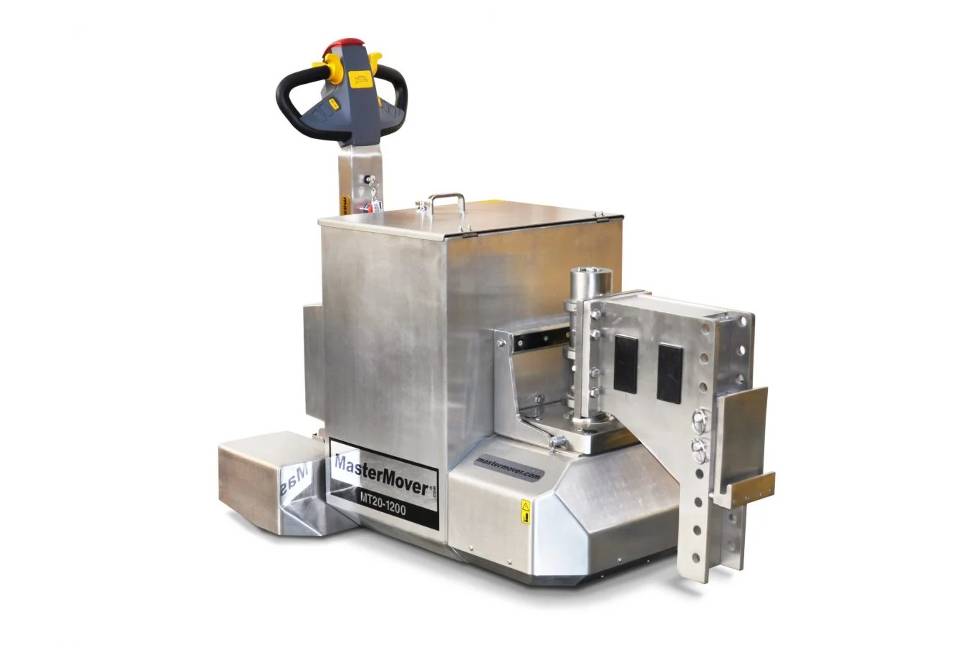
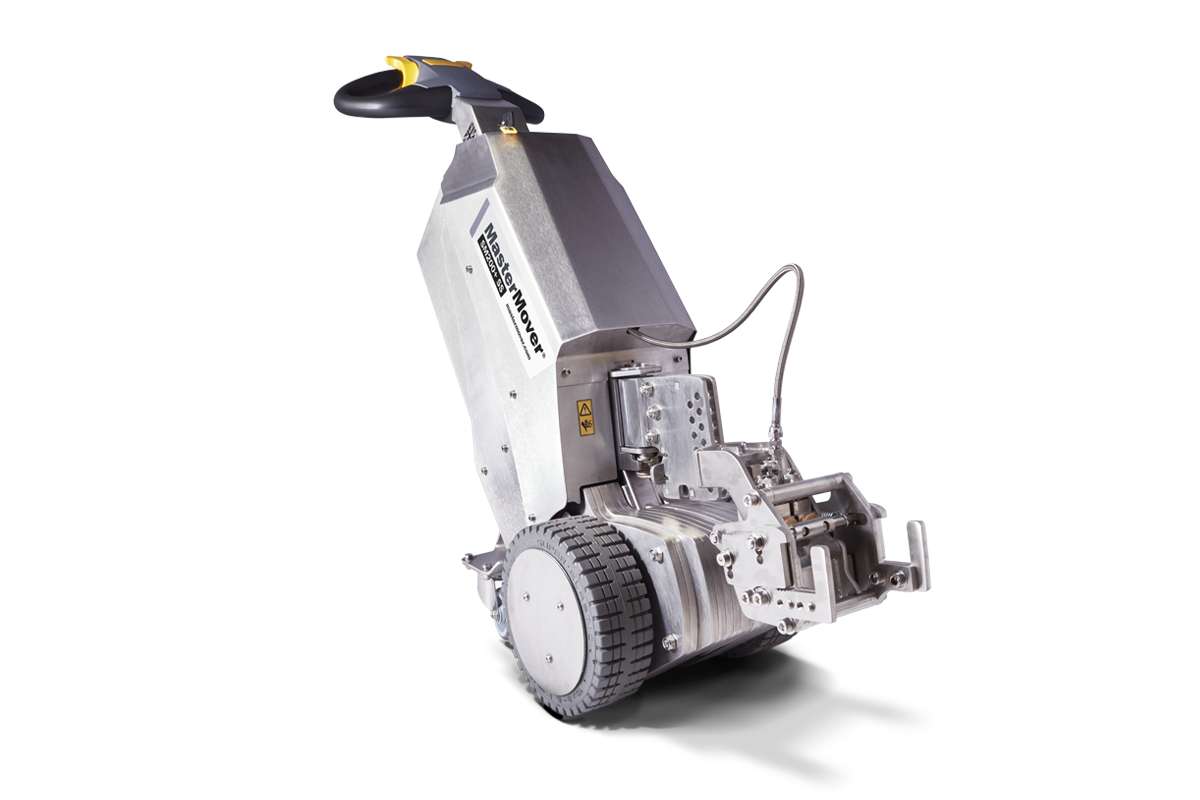
For moving heavy wheeled loads — bins, vats, racks, trolleys — inside production rooms, a stainless electric tug is frequently a better answer than a forklift: no forks in a food area, no exhaust, low noise, and a machine that washes down.
Floor cleaning in food environments
Wet floors in chilled areas are both a slip risk and a hygiene risk. A scrubber-drier that leaves the floor dry behind it removes standing water rather than moving it, and in frozen areas specialised low-temperature machines and chemistry are required — standard water-based scrubbing simply freezes.
Equipment we'd recommend
Models from the AWE range that suit the scenarios above. Specs are pulled straight from the product pages.
Frequently asked questions
Written by
The AWE Forklifts Team
Materials handling engineers, trainers and account managers, Rathcoole, Co. Dublin
AWE has supplied, hired, serviced and inspected materials handling equipment for Irish industry since 1985. Our guides are written by the same engineers who service the trucks, the instructors who deliver operator training, and the account managers who quote the hire rates — not by outside copywriters.
- Trading in Ireland since 1985
- Authorised Xilin forklift dealer for Ireland
- Official MasterMover electric tug distributor for Ireland
- Dublin workshop, parts store and training facility
- Nationwide mobile engineers, priority contract response
Technically reviewed by AWE engineering team, Rathcoole, Co. Dublin.
Keep reading
Buying & Costs
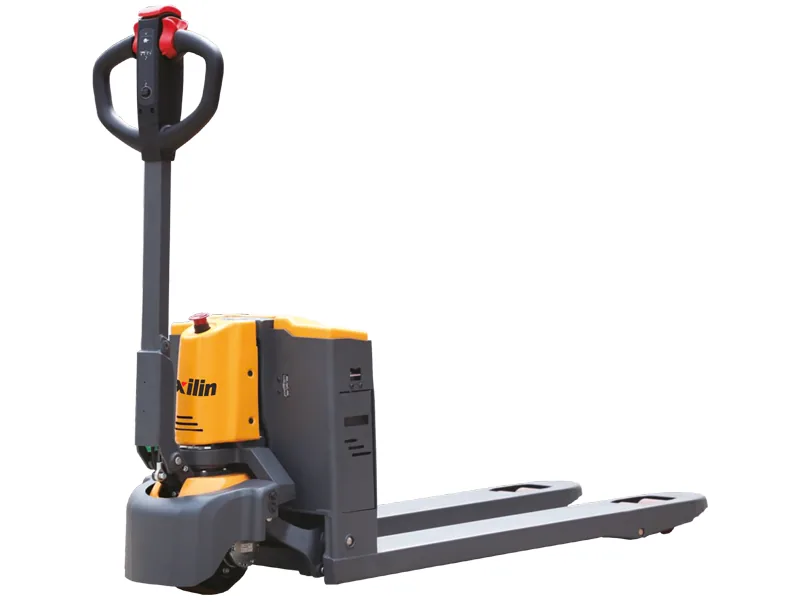
Lithium vs Lead-Acid Forklift Batteries: The Five-Year Cost
Lithium costs more up front and saves in three places: charging infrastructure, labour and battery replacement. Whether that adds up depends almost entirely on your shift pattern.
8 min read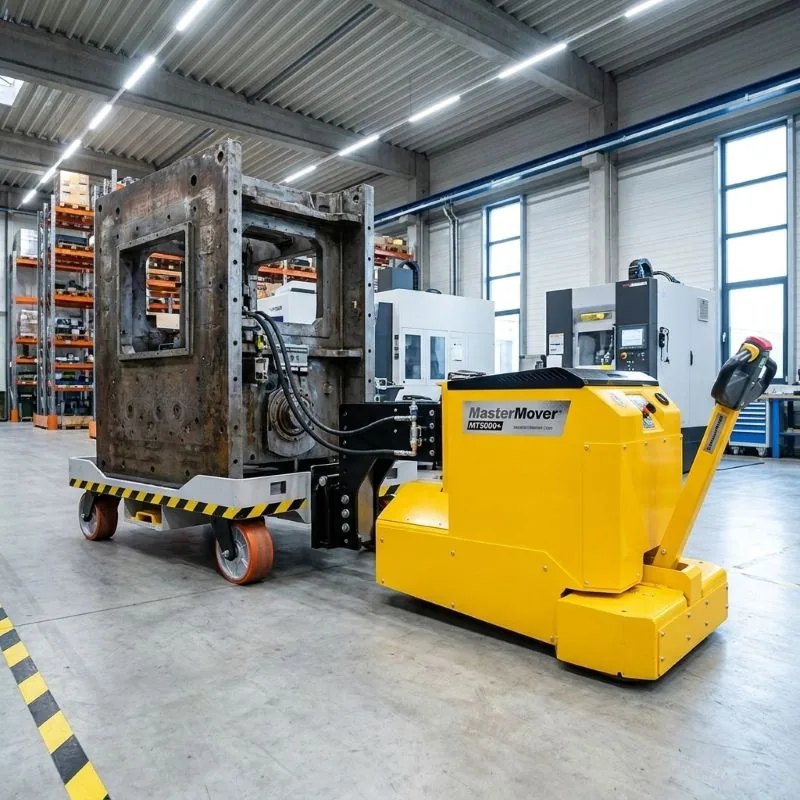
Choosing Equipment
Electric Tugs vs Forklifts: Moving Heavy Loads Safely Indoors
If the load is already on wheels, a forklift is often the wrong tool. Electric tugs move up to 70,000 kg with one pedestrian operator and no lifting at all.
7 min read
Choosing Equipment
Scrubber vs Sweeper vs Combined: Picking the Right Floor Cleaning Machine
Sweepers pick up dry debris, scrubbers wash and dry, combined machines do both in one pass. Matching the machine to the soil type is what decides the outcome.
6 min read