
Choosing Equipment
Scrubber vs Sweeper vs Combined: Picking the Right Floor Cleaning Machine
Sweepers pick up dry debris, scrubbers wash and dry, combined machines do both in one pass. Matching the machine to the soil type is what decides the outcome.
6 min read · Last updated 7 August 2026
Choose by what is on the floor. Dry debris — dust, swarf, packaging, grit — needs a sweeper. Wet soil, grease, tyre marks and general grime need a scrubber dryer, which washes and vacuums dry in one pass so the floor is walkable immediately. Where both are present, a combined sweeper-scrubber does it in one pass and is usually cheaper than running two machines. Size the machine by area: walk-behind up to roughly 2,500 m², ride-on above that.
The three machine types
| Machine | Removes | Best for | Typical area |
|---|---|---|---|
| Sweeper | Dry debris, dust, grit, packaging | Yards, warehouses, production floors with dry waste | Any, scale by size |
| Scrubber dryer | Wet soil, grease, tyre marks, film | Food plants, pharma, retail, finished concrete | Any, scale by size |
| Combined sweeper-scrubber | Both, in one pass | Mixed soil, engineering and recycling floors | Large areas |
Never scrub over loose debris
Running a scrubber across dry grit turns it into slurry, blocks the recovery hose and wears the squeegee blades. Sweep first, or buy a combined machine.
Sizing the machine
- ›Under 1,000 m²: compact walk-behind, battery, narrow enough for aisles and doorways.
- ›1,000–2,500 m²: larger walk-behind with a bigger tank so the operator is not refilling constantly.
- ›2,500 m² and above: ride-on — the labour saving justifies the machine within a year on most sites.
- ›Check the narrowest doorway and the tightest aisle before choosing a working width.
- ›Match the tank capacity to the run time you want between fills, not to the floor area alone.
Floor surface and brush selection
Brush or pad choice matters as much as the machine. Polished or sealed concrete needs a soft brush or a fine pad to avoid scuffing. Rough or textured industrial concrete needs a stiffer brush to reach into the profile. Food-grade areas often need specific brush materials and a detergent approved for the environment. Get this wrong and a good machine produces a poor result.
Running cost and upkeep
- Squeegee blades — the highest-wear item and the main cause of streaking; rotate and replace on schedule.
- Brushes and pads matched to the surface.
- Battery care — the same rules as forklift batteries apply.
- Filters and recovery tank hygiene, particularly in food environments.
- Annual service to keep suction, water flow and brush pressure to specification.
Equipment we'd recommend
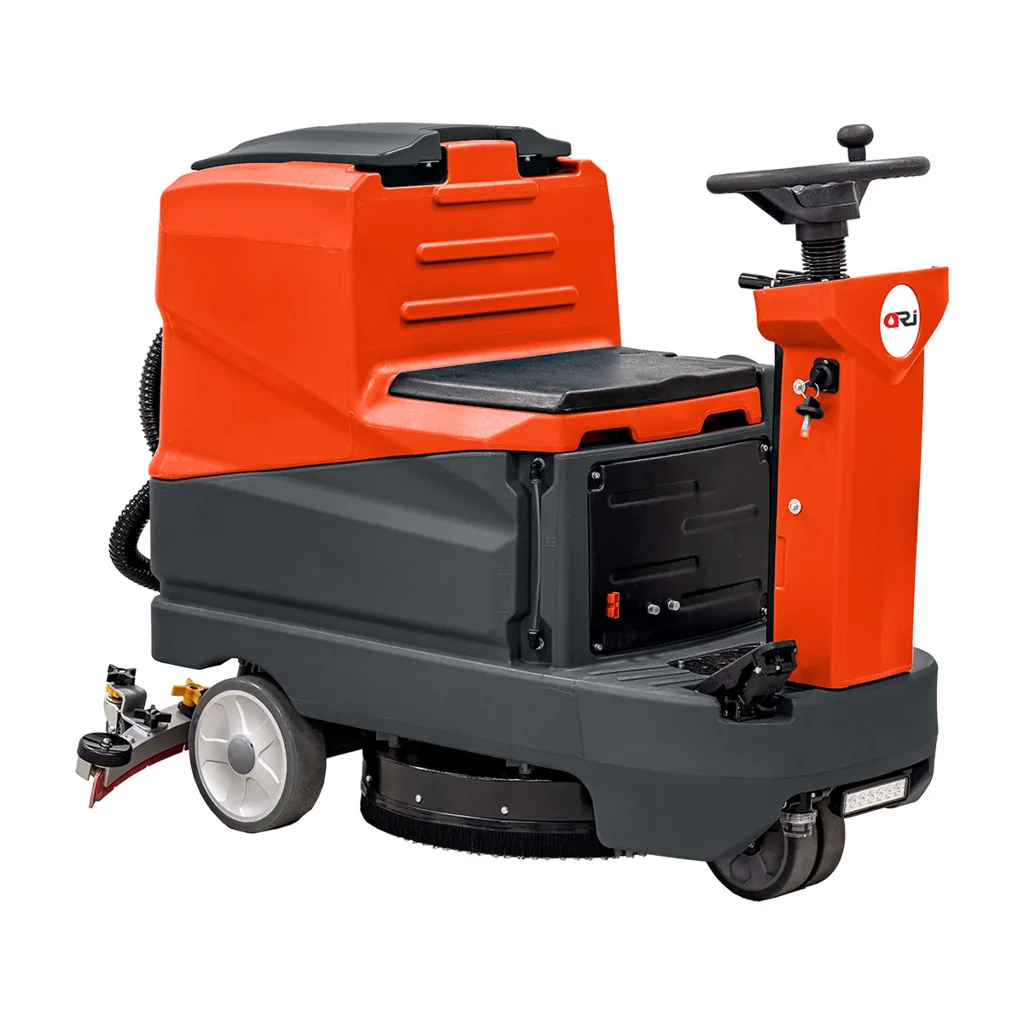
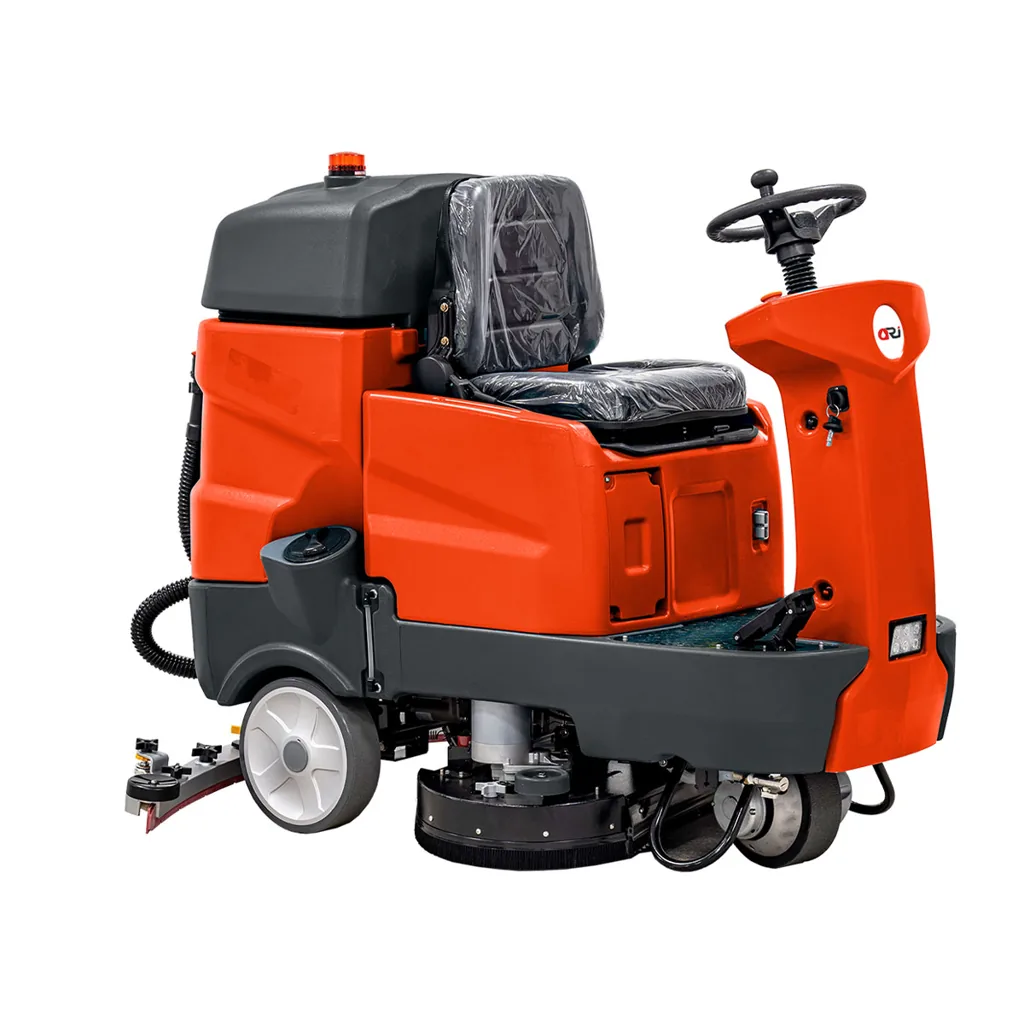
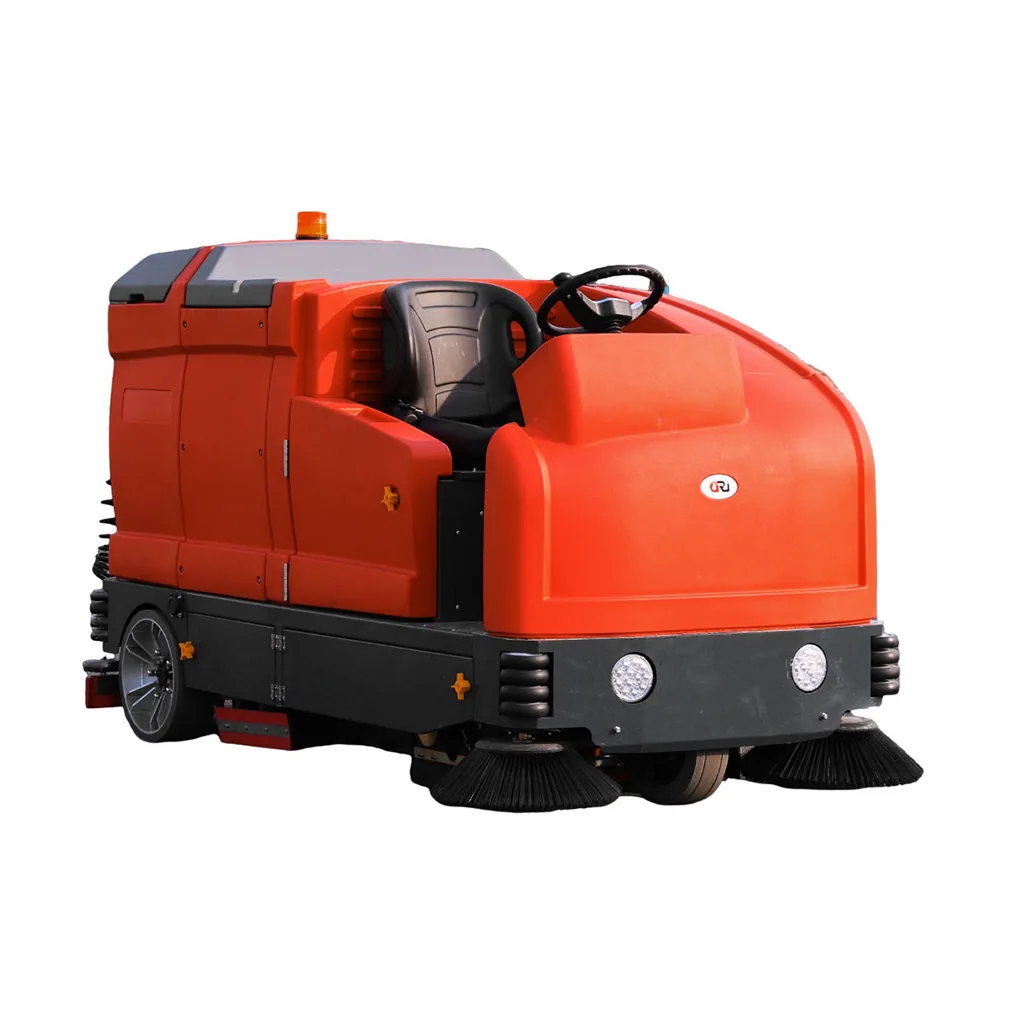
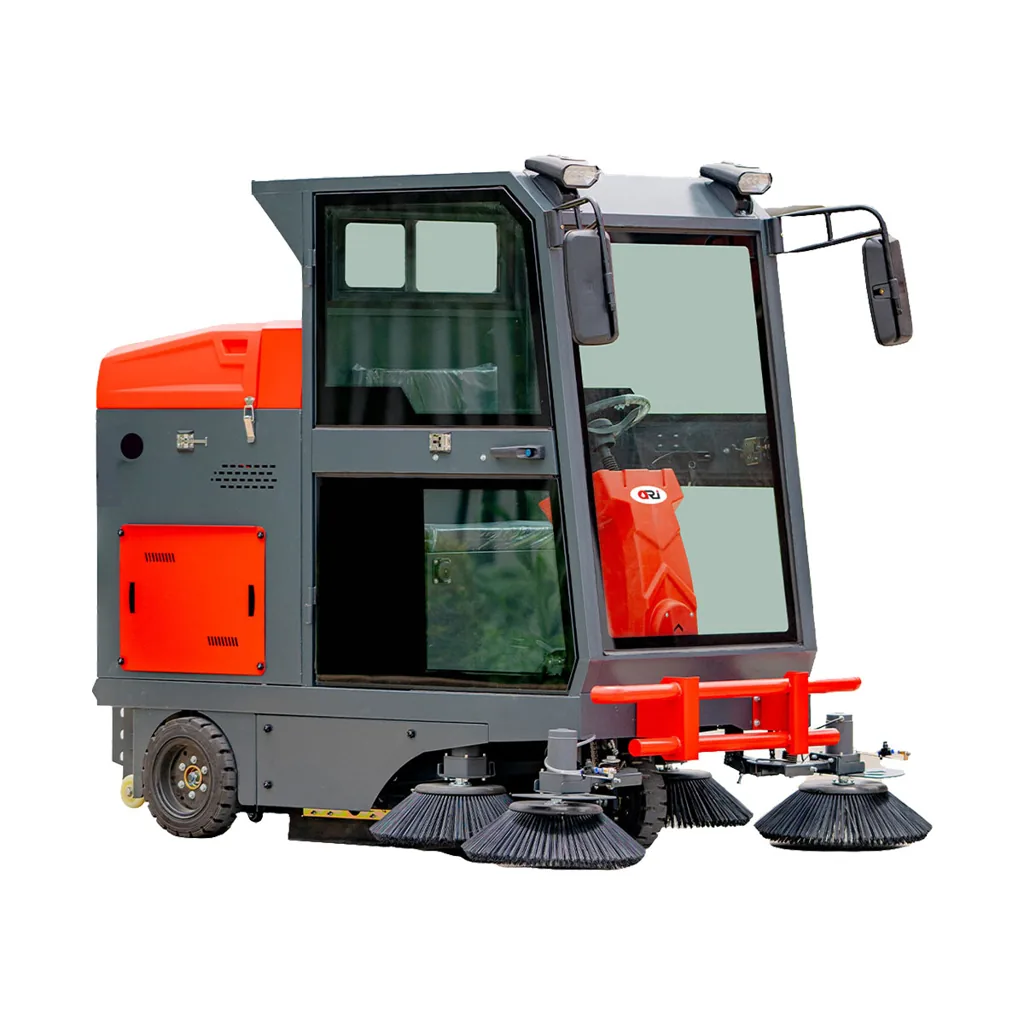
Models from the AWE range that suit the scenarios above. Specs are pulled straight from the product pages.
Frequently asked questions
Written by
The AWE Forklifts Team
Materials handling engineers, trainers and account managers, Rathcoole, Co. Dublin
AWE has supplied, hired, serviced and inspected materials handling equipment for Irish industry since 1985. Our guides are written by the same engineers who service the trucks, the instructors who deliver operator training, and the account managers who quote the hire rates — not by outside copywriters.
- Trading in Ireland since 1985
- Authorised Xilin forklift dealer for Ireland
- Official MasterMover electric tug distributor for Ireland
- Dublin workshop, parts store and training facility
- Nationwide mobile engineers, priority contract response
Technically reviewed by AWE cleaning equipment team, Rathcoole, Co. Dublin.
Keep reading
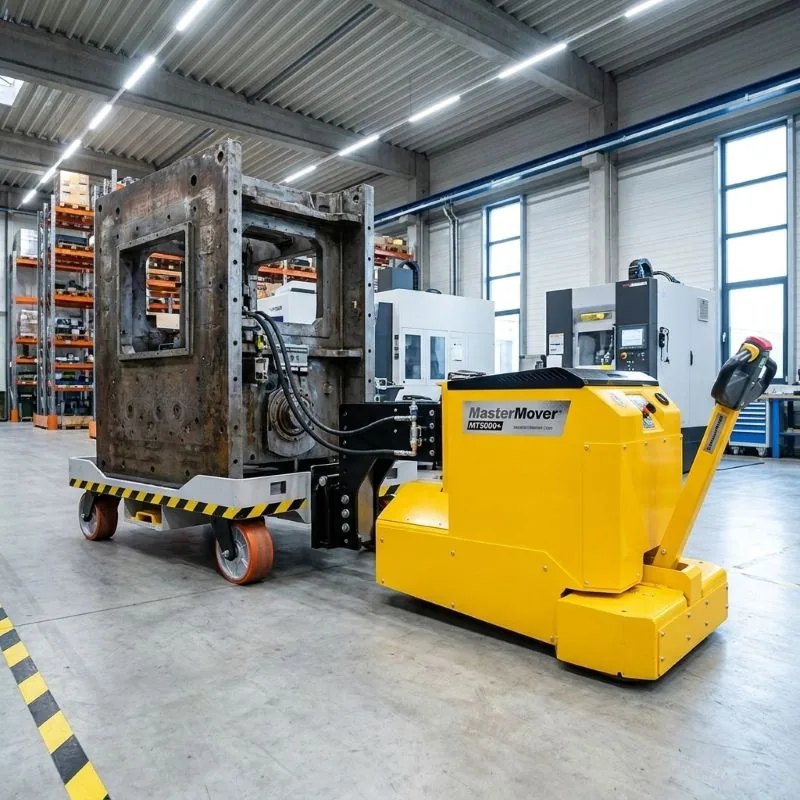
Choosing Equipment
Electric Tugs vs Forklifts: Moving Heavy Loads Safely Indoors
If the load is already on wheels, a forklift is often the wrong tool. Electric tugs move up to 70,000 kg with one pedestrian operator and no lifting at all.
7 min read
Choosing Equipment
Pallet Truck vs Stacker vs Counterbalance: Choosing the Right Truck
Four machine types, one decision. Lift height and aisle width settle it faster than any spec sheet — here is the selection logic we use on site surveys.
7 min read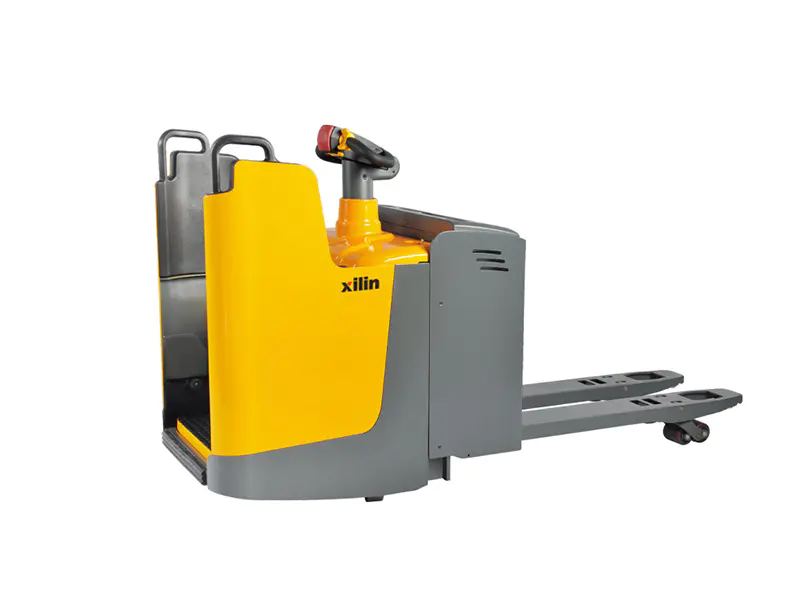
Operations & Maintenance
Forklift Maintenance Schedule: Daily, Weekly, Monthly and Annual
Most forklift breakdowns are predictable. A four-tier schedule — daily, weekly, monthly, planned service — catches the faults before they become downtime.
7 min read