
Safety & Compliance
Do You Need a Licence to Operate an Electric Tug in Ireland?
A pedestrian electric tug is not a forklift, so no forklift certificate is needed. Here is what Irish law does require of employers and operators.
5 min read · Last updated 13 October 2026
No — you do not need a forklift licence to operate a pedestrian electric tug in Ireland, because a tug is not a forklift and does not lift loads. Irish health and safety law still requires employers to make sure anyone using work equipment is trained, competent and properly supervised, and that the task has been risk-assessed. In practice that means documented familiarisation training on the specific tug, which AWE provides when a MasterMover is delivered.
Why a forklift certificate doesn't apply
Forklift training in Ireland is category-based: counterbalance, reach truck, and so on. Those categories exist because forklifts lift loads to height and carry them, with tipping, load-dropping and visibility risks specific to that work. A pedestrian electric tug couples to a load that is already on wheels and pushes or pulls it along the floor, with the operator walking behind or beside it.
That is why there is no 'tug licence' equivalent to a forklift ticket. But 'no licence' does not mean 'no training'.
What Irish law does require
- ›The Safety, Health and Welfare at Work Act 2005 requires employers to provide information, instruction, training and supervision so work is done safely.
- ›The General Application Regulations (S.I. 299/2007) require work equipment to be suitable and that users receive adequate training, and require employers to avoid or reduce risky manual handling.
- ›A risk assessment should cover the load, the route, slopes, floor surfaces and pedestrians.
Tugs as a manual handling control
Replacing the pushing and pulling of heavy trolleys with a powered tug is a recognised way to reduce manual handling risk — often the reason a tug is bought in the first place.
What good tug training covers
- Pre-use checks: battery, controls, emergency stop, horn and coupling.
- Coupling and uncoupling the specific loads on your site.
- Starting, stopping and speed control, laden and unladen.
- Slopes, ramps, doorways and blind corners on your route.
- Pedestrian awareness and parking safely.
- Charging and daily care.
AWE delivers this familiarisation at handover on your site, with your loads, and can record which operators were trained.
Equipment we'd recommend
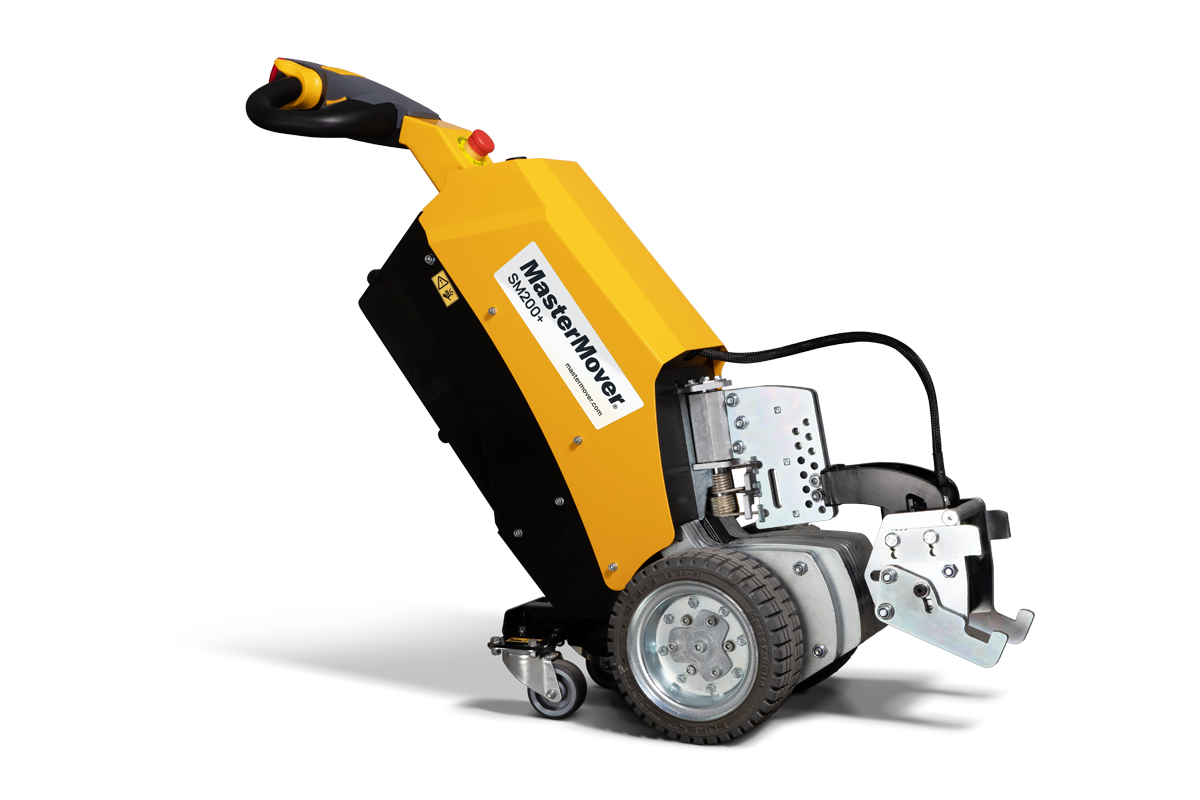
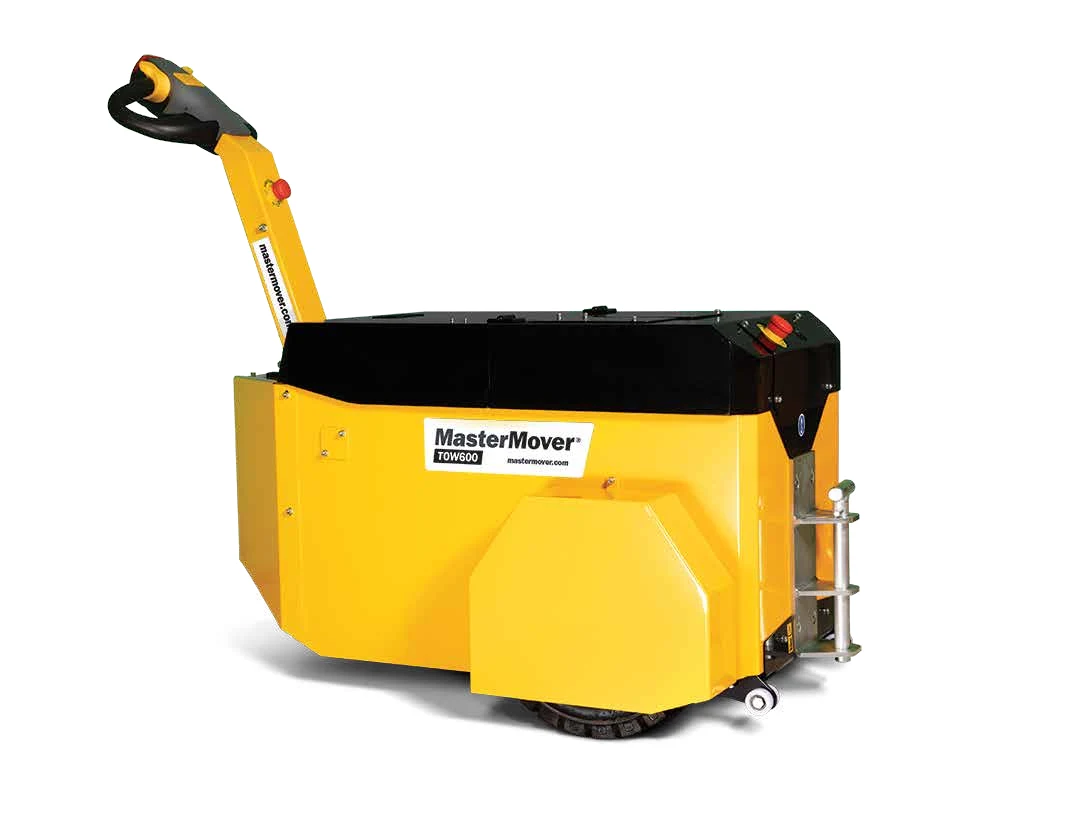
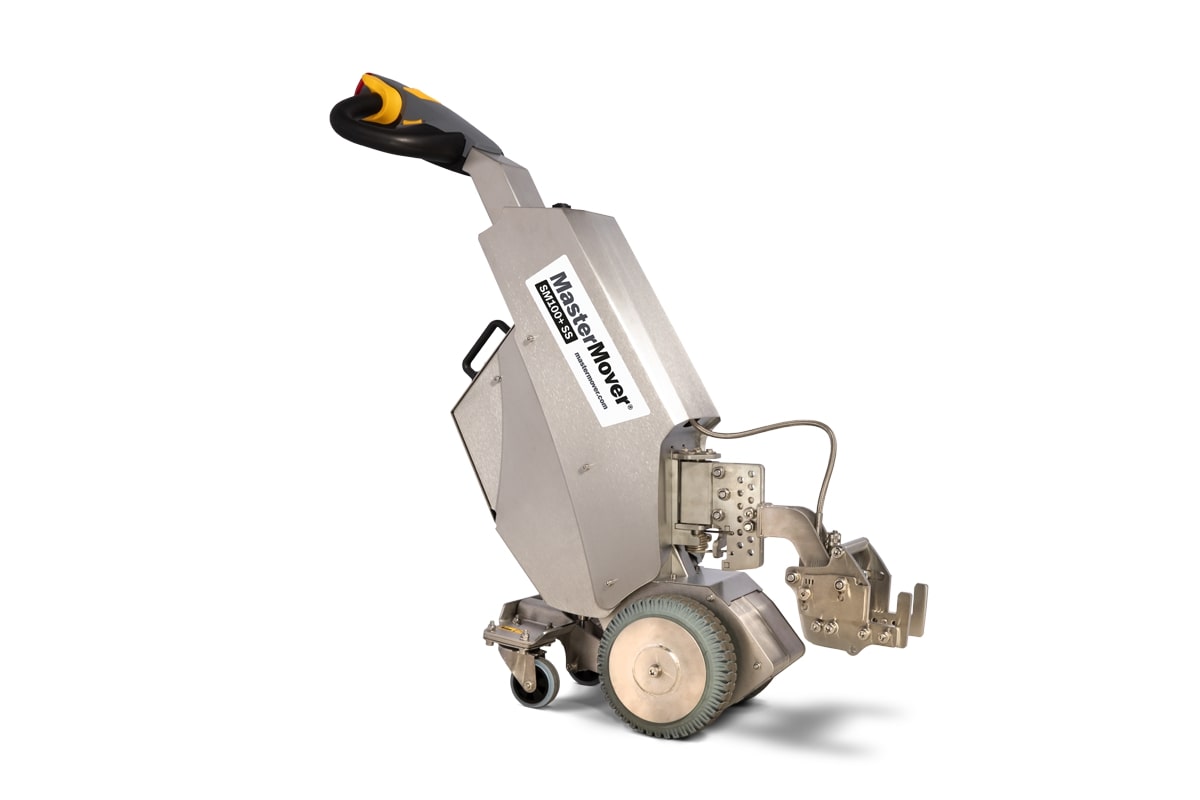
Models from the AWE range that suit the scenarios above. Specs are pulled straight from the product pages.
Frequently asked questions
Written by
The AWE Forklifts Team
Materials handling engineers, trainers and account managers, Rathcoole, Co. Dublin
AWE has supplied, hired, serviced and inspected materials handling equipment for Irish industry since 1985. Our guides are written by the same engineers who service the trucks, the instructors who deliver operator training, and the account managers who quote the hire rates — not by outside copywriters.
- Trading in Ireland since 1985
- Authorised Xilin forklift dealer for Ireland
- Official MasterMover electric tug distributor for Ireland
- Dublin workshop, parts store and training facility
- Nationwide mobile engineers, priority contract response
Keep reading
Choosing Equipment
Electric Tugs vs Forklifts: Moving Heavy Loads Safely Indoors
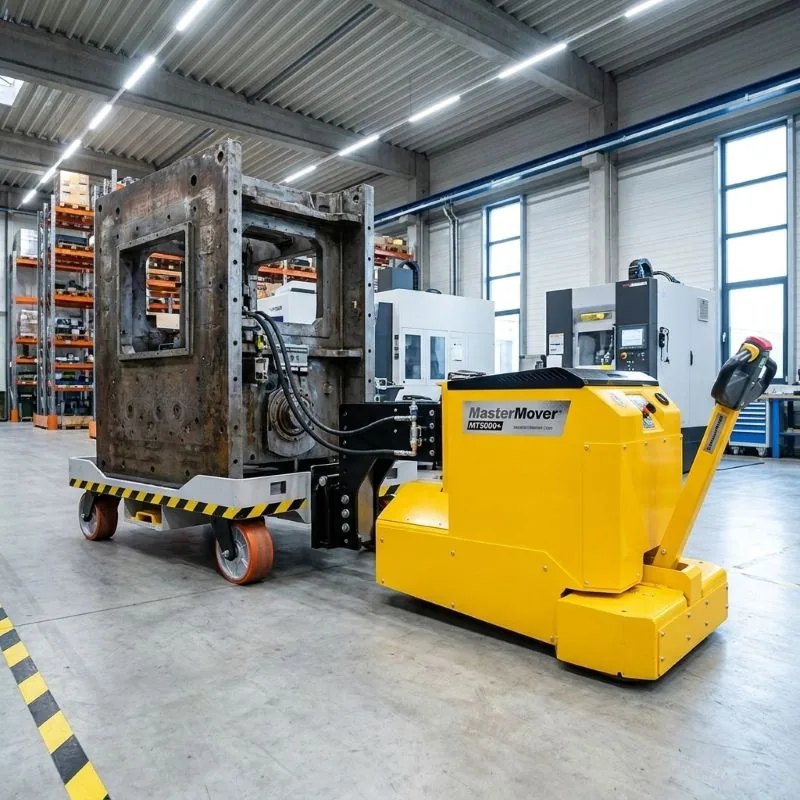
If the load is already on wheels, a forklift is often the wrong tool. Electric tugs move up to 70,000 kg with one pedestrian operator and no lifting at all.
7 min read
Choosing Equipment
Electric Tug Sizing Guide: Matching Load Weight to the Right MasterMover
Tug sizing is not just load weight. Gradient, wheel count, floor surface and coupling type decide whether a machine moves the load or slips on the spot.
8 min readBuying & Costs
Electric Tug Hire vs Buy: Which Makes Sense for Your Site?
Hire suits projects, trials and peaks; buying or leasing suits daily, long-term use. Here is how to decide for a MasterMover tug.
5 min read