
Operations & Maintenance
Forklift Parts: What Wears Out and When to Replace It
Every forklift has about a dozen parts that wear predictably. Knowing the limits turns unplanned breakdowns into scheduled, cheaper work.
8 min read · Last updated 13 August 2026
The parts that wear out on a forklift are predictable: tyres (1,000–2,000 hours), forks (condemned at 10% heel wear), lift chains (replace at 2–3% elongation), hydraulic hoses (4–6 years regardless of condition), brakes, mast rollers, filters and — the big one — the battery (1,200–1,500 cycles on lead-acid, 3,000+ on lithium). Replace against measured wear limits rather than symptoms, and the same parts cost a fraction of what they cost as an emergency breakdown.
Wear limits and typical service life
| Part | Typical life | Replace when |
|---|---|---|
| Cushion / press-on tyres | 1,000–1,500 hours | Worn to the 50% mark or the manufacturer's wear line |
| Pneumatic tyres | 1,500–2,500 hours | Tread below limit, sidewall damage, chunking |
| Fork arms | 5–10 years | Heel thickness 10% below the shank, or any crack |
| Lift chains | 3,000–6,000 hours | 2–3% elongation over 20 links, seized or cracked links |
| Hydraulic hoses | 4–6 years | By age, or at first sign of weeping, chafing, bulging |
| Mast rollers / bearings | 5,000–8,000 hours | Flat spots, play, jerky mast travel |
| Brake shoes / discs | 2,000–4,000 hours | Lining below limit, or pedal travel outside spec |
| Lead-acid battery | 1,200–1,500 cycles (~5 yrs) | Capacity below 80%, cells failing gravity test |
| Lithium battery | 3,000+ cycles (~8–10 yrs) | BMS state of health below 80% |
| Filters (oil, air, fuel, hydraulic) | 250–500 hours | At every scheduled service |
| Seat and seat switch | 4,000+ hours | Torn cover, switch not cutting drive |
| Horn, beacon, lights | Varies | First failure — they are safety items |
Forks: the part most often run past its limit
Fork arms wear at the heel, where the blade meets the shank. ISO 5057:2022 requires forks to be taken out of service once heel thickness falls 10% below the original. The standard sets that as a pass/fail limit — a worn fork is withdrawn and replaced in pairs, not derated to a lower capacity.
- ›Measure with a fork caliper at every Thorough Examination — not by eye.
- ›Always replace forks in matched pairs; a mismatched pair loads unevenly.
- ›Check the hanger, heel and blade for cracks with the mast lowered and forks unloaded.
- ›Any bend beyond 3% of blade length condemns the fork.
Hoses, seals and the hydraulic system
Hydraulic hose failure is the classic 'nothing was wrong yesterday' breakdown. Rubber degrades with age and heat cycling whether the truck works or not, so hoses are replaced on age, not appearance.
Mast drift is a warning, not a quirk
If a loaded mast sinks more than 100 mm in ten minutes, the lift cylinder seals or the control valve are passing. Left alone it becomes a dropped-load incident.
Genuine, OEM-equivalent or pattern parts?
| Genuine | OEM-equivalent | Pattern | |
|---|---|---|---|
| Fit and finish | Guaranteed | Usually good | Variable |
| Warranty impact | None | Usually none | Can void cover |
| Price | Highest | Middle | Lowest |
| Use for | Safety-critical: forks, chains, brakes, hydraulics | Filters, seals, general wear | Cosmetic and non-critical only |
Our rule in the workshop is simple: anything that holds, lifts, or stops a load gets a genuine or OEM-equivalent part. Everything else is a commercial decision.
What to keep on your own shelf
- ›One set of filters per truck for the next service.
- ›Fuses, bulbs, a spare beacon and a horn.
- ›Battery water top-up kit and terminal grease for lead-acid fleets.
- ›A spare charger lead or connector for electric fleets.
- ›Hydraulic oil to the correct specification, and a funnel that lives with it.
Equipment we'd recommend
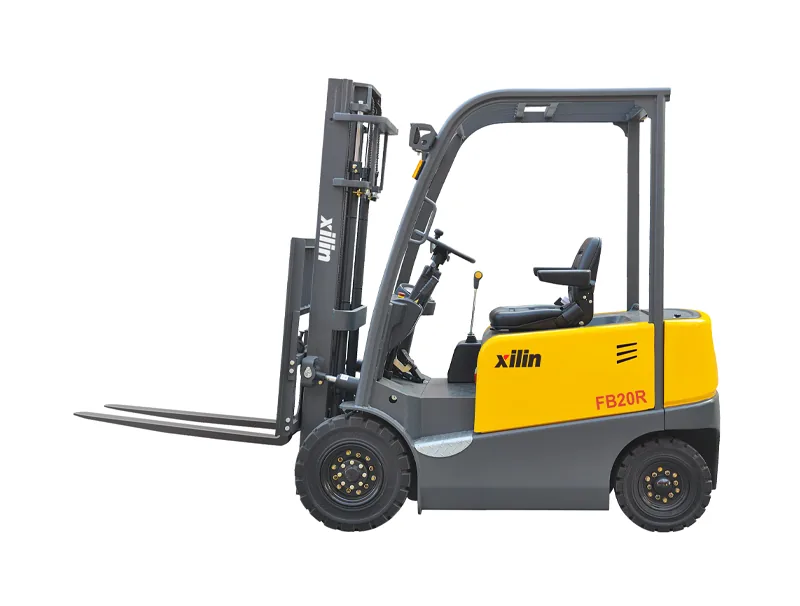
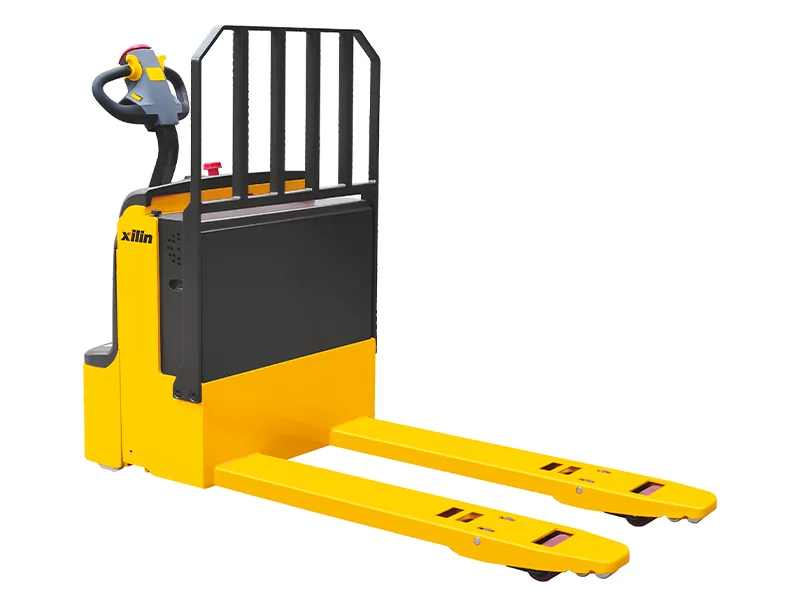
Models from the AWE range that suit the scenarios above. Specs are pulled straight from the product pages.
Frequently asked questions
Written by
The AWE Forklifts Team
Materials handling engineers, trainers and account managers, Rathcoole, Co. Dublin
AWE has supplied, hired, serviced and inspected materials handling equipment for Irish industry since 1985. Our guides are written by the same engineers who service the trucks, the instructors who deliver operator training, and the account managers who quote the hire rates — not by outside copywriters.
- Trading in Ireland since 1985
- Authorised Xilin forklift dealer for Ireland
- Official MasterMover electric tug distributor for Ireland
- Dublin workshop, parts store and training facility
- Nationwide mobile engineers, priority contract response
Technically reviewed by AWE parts and service department, Rathcoole, Co. Dublin.
Keep reading
Operations & Maintenance
Forklift Maintenance Schedule: Daily, Weekly, Monthly and Annual
Most forklift breakdowns are predictable. A four-tier schedule — daily, weekly, monthly, planned service — catches the faults before they become downtime.
7 min read
Operations & Maintenance
Forklift Tyres: Cushion vs Pneumatic vs Polyurethane
Tyres are the cheapest part of a forklift and the one most often ignored. The wrong compound wrecks floors, and worn tyres quietly cut stability and capacity.
7 min read
Operations & Maintenance
Reducing Forklift Fleet Running Costs: Where the Money Actually Goes
Purchase price is the smallest part of what a forklift costs you. Energy, damage and downtime are the big three, and all three respond to management.
8 min read