
Choosing Equipment
How to Choose Forklift Capacity: 1.5t vs 2t vs 2.5t vs 3t
The number on the data plate is not the weight you can lift. Load centre, mast height and attachments all take a bite out of it — here is how to size a truck properly.
8 min read · Last updated 13 August 2026
Choose forklift capacity from your heaviest realistic load plus a margin, measured at the correct load centre — normally 500 mm for a standard Euro pallet. Rated capacity falls as the load centre moves forward, as the mast goes higher, and whenever an attachment is fitted. For typical Irish palletised work at 1,000–1,600 kg, a 2 tonne truck is the standard choice; go to 2.5–3 tonnes for heavier loads, long forks, attachments or lift heights above about 4.5 m.
Load centre: the detail that catches people out
Rated capacity is quoted at a stated load centre — the horizontal distance from the fork face to the load's centre of gravity. Standard is 500 mm, which suits a 1,200 mm deep pallet loaded evenly. Move the centre of gravity further out and capacity drops sharply.
| Load centre | 2,000 kg truck | 2,500 kg truck | 3,000 kg truck |
|---|---|---|---|
| 500 mm (standard) | 2,000 kg | 2,500 kg | 3,000 kg |
| 600 mm | ~1,800 kg | ~2,250 kg | ~2,700 kg |
| 700 mm | ~1,600 kg | ~2,000 kg | ~2,400 kg |
| 900 mm | ~1,300 kg | ~1,650 kg | ~1,950 kg |
Illustrative derating only. Always read the truck's own capacity chart and data plate.
What else reduces capacity
- ›Lift height — most trucks derate above roughly 3.3–4 m; a triplex mast at 6 m can lose 20–30%.
- ›Attachments — a side-shift costs a little, a clamp or rotator can cost several hundred kilos, and the attachment's own weight counts as load.
- ›Fork length — longer forks push the load centre out.
- ›Tyres and ground — soft ground and worn tyres affect stability, not the plate rating, but they matter in practice.
Re-plate after any attachment change
Fitting an attachment changes the truck's rated capacity. The data plate must be updated to reflect the combination — an HSA inspector will look for it, and so will your insurer after an incident.
Picking a capacity by application
| Capacity | Typical work | Watch out for |
|---|---|---|
| 1.5 tonne | Light retail, small stores, tight yards, single pallets under 1,200 kg | Very little headroom for growth |
| 2 tonne | The Irish default — general warehousing, distribution, light manufacturing | Derates below 2t at height with attachments |
| 2.5 tonne | Heavier pallets, drums, block-stacking, mixed loads | Larger turning radius |
| 3 tonne | Manufacturing, steel, timber, containers, attachments fitted | Needs wider aisles and stronger floors |
- Weigh your heaviest genuine load — not the average, and not the one you remember.
- Add 15–20% headroom for the load you will handle in three years.
- Measure the load centre of your worst-shaped load, not a neat pallet.
- Check the required lift height against the capacity chart at that height.
- Add the weight and derating of any attachment.
- Confirm the aisle width and floor loading suit the resulting truck.
Why oversizing costs money
A bigger truck is not a free safety margin. It is heavier on the floor slab, needs wider aisles, uses more energy per hour, costs more to buy, hire, tyre and service, and is harder to manoeuvre in a tight Irish yard. Size for the real work plus a sensible margin, then stop.
Equipment we'd recommend
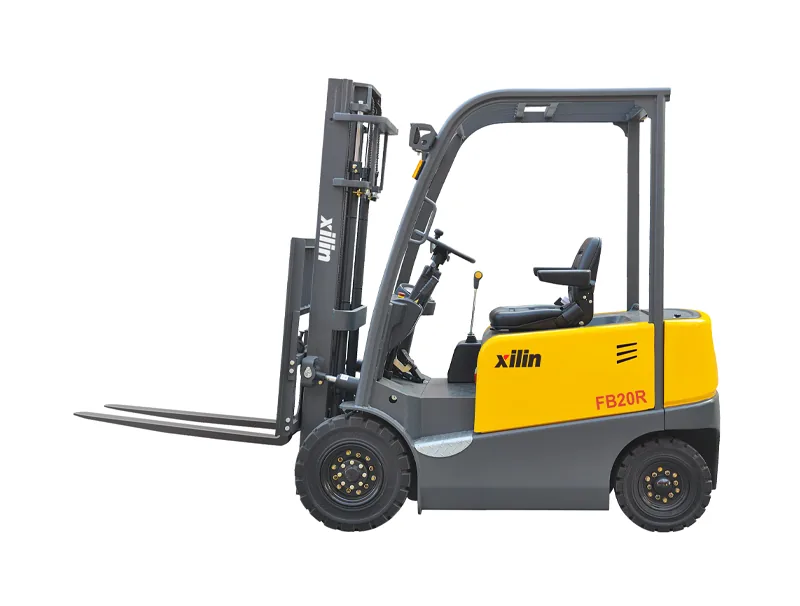
Models from the AWE range that suit the scenarios above. Specs are pulled straight from the product pages.
Frequently asked questions
Written by
The AWE Forklifts Team
Materials handling engineers, trainers and account managers, Rathcoole, Co. Dublin
AWE has supplied, hired, serviced and inspected materials handling equipment for Irish industry since 1985. Our guides are written by the same engineers who service the trucks, the instructors who deliver operator training, and the account managers who quote the hire rates — not by outside copywriters.
- Trading in Ireland since 1985
- Authorised Xilin forklift dealer for Ireland
- Official MasterMover electric tug distributor for Ireland
- Dublin workshop, parts store and training facility
- Nationwide mobile engineers, priority contract response
Technically reviewed by AWE engineering team, Rathcoole, Co. Dublin.
Keep reading
Choosing Equipment
Pallet Truck vs Stacker vs Counterbalance: Choosing the Right Truck
Four machine types, one decision. Lift height and aisle width settle it faster than any spec sheet — here is the selection logic we use on site surveys.
7 min read
Choosing Equipment
Warehouse Racking and Aisle Widths: Matching the Truck to the Rack
Aisle width decides which truck you can run — and truck choice decides how many pallet positions fit in the building. Get the pairing right before the racking goes in.
8 min read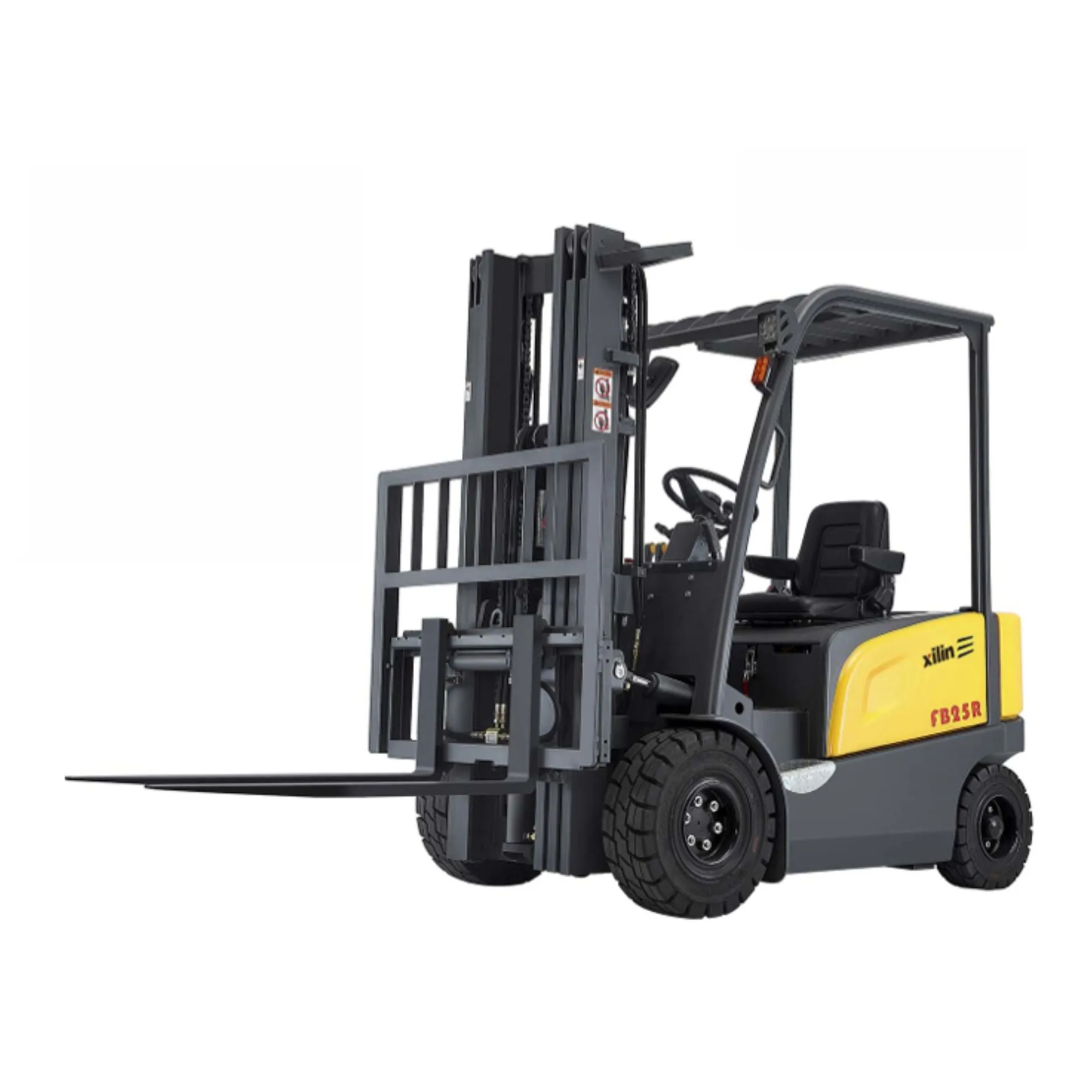
Buying & Costs
How Much Does a Forklift Cost in Ireland? New, Used and Hire Compared
The purchase price is the smallest part of the decision. Here is how new, used, hire and contract hire compare once servicing, inspection, tyres and downtime are counted.
9 min read